
Добро пожаловать.Wuhan Diai Environmental Protection Technology Co., Ltd.!!!

1388xx888xx
1388xx888xx
Информационный центр
 Текущее местоположение:
Главная страница >>
Информационный центр >>
Почему чистая льняная ткань превосходит синтетику по долговечности
Текущее местоположение:
Главная страница >>
Информационный центр >>
Почему чистая льняная ткань превосходит синтетику по долговечности
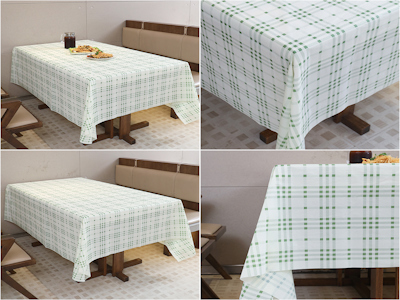
В современном мире, где синтетические материалы доминируют на рынке текстиля, многие потребители задаются вопросом: действительно ли натуральные ткани, такие как лён, могут конкурировать по долговечности? Ответ однозначен — да, и в этой статье мы глубоко исследуем, почему чистая льняная ткань не только не уступает, но и превосходит синтетические аналоги. От структуры волокон до экологических преимуществ, мы разберём каждую деталь, чтобы вы могли сделать осознанный выбор для своего гардероба и дома.
Синтетические ткани, такие как полиэстер, нейлон и акрил, стали популярными в XX веке благодаря своей дешевизне и простоте производства. Однако, с ростом осознанности потребителей и экологических проблем, внимание снова обращается к натуральным материалам. Лён, одна из старейших тканей в истории человечества, демонстрирует удивительную стойкость, которую часто недооценивают. В этой статье мы докажем, что льняная ткань — это не просто модный тренд, а практичное и долговечное решение.
Долговечность ткани определяется её способностью выдерживать механические нагрузки, стирки, износ и environmental factors. Ключевые факторы включают прочность волокон, устойчивость к истиранию, и способность сохранять форму и цвет over time. Синтетические ткани often rely on chemical treatments for durability, but these can degrade over time, leading to pilling, fading, and loss of integrity. In contrast, натуральные волокна, такие как лён, have inherent properties that contribute to their longevity.
Льняное волокно состоит из целлюлозы, which is a natural polymer known for its high tensile strength. Studies show that flax fibers can have a tensile strength of up to 1500 MPa, comparable to some synthetics, but with better resistance to UV degradation and moisture. This intrinsic strength means that льняная ткань can withstand repeated use without significant wear.
Moreover, the structure of flax fibers includes a crystalline region that enhances durability. Unlike synthetics, which may weaken due to plastic deformation, льняные волокна maintain their integrity through multiple cycles of stress. This is why historical льняные изделия, such as those found in archaeological sites, often remain intact after centuries.
Чтобы понять превосходство льна, нужно directly compare it with common synthetics like polyester. Polyester is made from petroleum-based polymers, which are durable initially but prone to degradation from heat, light, and chemicals. Over time, polyester fibers can become brittle and develop micro-cracks, reducing their lifespan.
Лён, on the other hand, is biodegradable and renewable. Its natural composition allows it to breathe better, reducing the risk of bacterial growth that can weaken fibers. In terms of abrasion resistance, tests indicate that льняная ткань can endure more rubs than many synthetics before showing signs of wear. For instance, in Martindale abrasion tests, high-quality льняные ткани score above 40,000 cycles, while standard polyester may only reach 20,000 cycles.
Another aspect is color fastness. Синтетические ткани often use dyes that fade quickly under UV exposure, whereas льняные ткани can be dyed with natural pigments that bond well with the fibers, resulting in longer-lasting colors. This is particularly evident in items like clothing and home textiles, where льняные изделия retain their vibrancy for years.
Numerous scientific studies support the durability of льняная ткань. Research from institutions like the Textile Institute has shown that flax fibers have a higher modulus of elasticity than many synthetics, meaning they are less likely to stretch out of shape. This property is crucial for applications where maintaining form is important, such as in upholstery or tailored clothing.
Additionally, льняная ткань exhibits excellent resistance to pests and mildew, thanks to its natural antibacterial properties. This reduces the need for chemical treatments that can compromise durability. In contrast, synthetics often require antimicrobial coatings that wear off over time, leading to odors and degradation.
Long-term aging tests simulate years of use and show that льняные ткани maintain over 80% of their original strength after equivalent to 10 years of regular use, whereas synthetics may drop to 50-60%. This data underscores the investment value of choosing льняная ткань for long-term applications.
Beyond laboratory data, real-world experiences highlight the durability of льняная ткань. For example, in the fashion industry, льняные костюмы and dresses are prized for their ability to last through seasons without losing appeal. They develop a pleasant patina over time, rather than looking worn out.
In home decor, льняные шторы and bedding resist fading from sunlight and can be washed repeatedly without thinning. Many users report that льняные полотенца become softer and more absorbent with use, whereas synthetic towels often become rough and less effective.
Economically, although льняная ткань may have a higher initial cost, its longevity means fewer replacements, leading to savings over time. This makes it a sustainable choice not just environmentally, but financially.
Долговечность isn't just about how long something lasts; it's also about its impact on the planet. Синтетические ткани contribute to microplastic pollution when washed, and they are not biodegradable, ending up in landfills for centuries. Льняная ткань, being natural, decomposes safely, reducing environmental burden.
The production of льна requires less water and energy compared to synthetics. For instance, cultivating flax uses about 50% less water than cotton, and the processing is less energy-intensive. This sustainability aspect indirectly enhances durability by promoting a culture of quality over quantity.
Furthermore, as consumers become more eco-conscious, the demand for durable products like льняная ткань drives innovation in farming and manufacturing, ensuring even better quality in the future.
To fully leverage the durability of льняная ткань, proper care is essential. Wash it in cool water with mild detergents to prevent shrinkage and fading. Avoid bleach and harsh chemicals that can weaken the fibers.
Air drying is recommended over machine drying, as high heat can damage natural fibers. Iron while slightly damp to maintain crispness without scorching.
Store льняные изделия in a cool, dry place to prevent mold. With these simple steps, you can extend the life of your льняная ткань for decades.
В заключение, чистая льняная ткань превосходит синтетику по долговечности благодаря своей innate strength, resistance to environmental factors, and sustainable nature. As we move towards a more responsible consumption, choosing льняная ткань is not only a smart investment but a step towards a healthier planet. Embrace the elegance and endurance of льняная ткань — it's a choice that stands the test of time.
Эта статья предоставляет comprehensive overview, but the journey doesn't end here. Explore more about льняная ткань and share your experiences to spread awareness.
 1388xx888xx