
Добро пожаловать.Wuhan Diai Environmental Protection Technology Co., Ltd.!!!

1388xx888xx
1388xx888xx


Информационный центр
 Текущее местоположение:
Главная страница >>
Информационный центр >>
Почему Все Хотят Купить Отбеленную Ткань Секрет Успеха
Текущее местоположение:
Главная страница >>
Информационный центр >>
Почему Все Хотят Купить Отбеленную Ткань Секрет Успеха
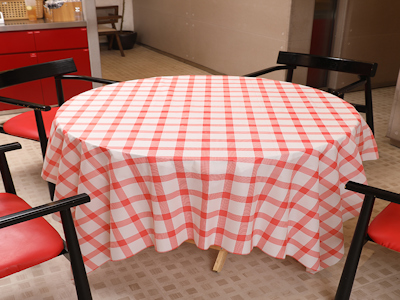
В современном мире текстиля отбеленная ткань занимает особое место, привлекая внимание потребителей своим универсальным эстетическим видом, практичностью и экологическими преимуществами. Но что именно делает ее такой популярной? Почему все больше людей стремятся купить отбеленную ткань для различных целей, от домашнего декора до модной одежды? В этой статье мы подробно рассмотрим секрет успеха отбеленной ткани, анализируя ее историю, процесс производства, преимущества и влияние на рынок. Мы углубимся в детали, которые делают этот материал незаменимым в повседневной жизни, и объясним, почему он продолжает доминировать в текстильной индустрии.
Отбеливание ткани — это процесс, уходящий корнями в глубокую древность. Еще в античные времена люди использовали природные методы для осветления материалов, такие как воздействие солнечного света или применение растительных экстрактов. Например, в Древнем Египте ткань отбеливали с помощью золы и воды, что позволяло достигать более светлых оттенков. В Средние века технология развивалась: в Европе стали использовать хлорсодержащие вещества, что значительно ускорило процесс. Однако настоящий прорыв произошел в XVIII веке с промышленной революцией, когда были изобретены химические отбеливатели на основе хлора, что сделало отбеленную ткань массово доступной. Сегодня, с развитием экологичных технологий, отбеливание стало более безопасным и эффективным, но суть осталась прежней: создание чистого, светлого материала, который символизирует свежесть и гигиену.
Исторически, отбеленная ткань ассоциировалась с чистотой и статусом. В викторианскую эпоху, например, белые одежды были признаком богатства, так как требовали частой стирки и ухода, что было доступно лишь обеспеченным слоям общества. Это психологическое восприятие сохранилось до наших дней: светлые оттенки вызывают чувство порядка и безмятежности. Современные исследования в области психологии цвета подтверждают, что белый и отбеленные тона способствуют снижению стресса и созданию уютной атмосферы, что частично объясняет их популярность в домашнем текстиле.
Кроме того, отбеленная ткань играла ключевую роль в развитии моды. В 1920-х годах, с появлением стиля "ар-деко", светлые материалы стали символом современности и элегантности. Знаменитые дизайнеры, такие как Коко Шанель, использовали отбеленные ткани для создания iconic образов, которые до сих пор вдохновляют. Это историческое наследие укрепляет позиции отбеленной ткани на рынке, делая ее не просто функциональным продуктом, но и культурным феноменом.
Процесс отбеливания ткани involves several stages, each critical to achieving the desired whiteness and quality. Traditionally, it began with scouring to remove impurities, followed by bleaching using agents like chlorine or hydrogen peroxide. In the past, chlorine-based bleaches were common due to their efficiency, but они often damaged fibers and posed environmental risks. Today, advancements have led to eco-friendly alternatives, such as oxygen-based bleaches, which are less harsh and biodegradable. For instance, many manufacturers now use peroxide bleaching, which not only whitens but also strengthens the fabric by removing natural pigments without compromising integrity.
The modern process often incorporates digital monitoring and automation to ensure consistency. Sensors measure pH levels and chemical concentrations, allowing for precise control that minimizes waste and energy consumption. This technological leap has made отбеленная ткань more sustainable, appealing to environmentally conscious consumers. Additionally, innovations in enzyme-based bleaching have emerged, using biological catalysts to break down stains and whiten fabrics naturally. These methods reduce water usage by up to 50% compared to traditional processes, highlighting how industry trends are shifting towards green solutions.
However, challenges remain, such as the balance between whitening efficacy and fabric durability. Over-bleaching can weaken fibers, leading to shorter lifespan, so manufacturers must optimize recipes. Research in nanotechnology offers promising solutions, with nanoparticles being used to enhance bleaching agents without adverse effects. This continuous innovation not only improves quality but also drives down costs, making отбеленная ткань more accessible. As a result, the secret to its success lies in this blend of tradition and technology, ensuring that the final product meets high standards of beauty and performance.
Отбеленная ткань offers numerous advantages that contribute to its widespread appeal. Firstly, its aesthetic versatility cannot be overstated. The bright, clean appearance serves as a blank canvas for dyeing and printing, allowing for vibrant colors and intricate designs. In fashion, this means designers can create bold patterns without the interference of natural fabric tones, while in home decor, it enables personalized styles through custom embroidery or painting. Psychologically, white and light shades evoke feelings of purity and calm, making spaces feel larger and more inviting—a key factor in interior design trends.
Secondly, practicality is a major draw. Отбеленная ткань is often treated to be stain-resistant and easy to clean, thanks to the bleaching process that removes organic matter that can harbor dirt. This makes it ideal for household items like bed linens, towels, and curtains, where hygiene is paramount. Moreover, it tends to be more durable after proper treatment, as bleaching can strengthen fibers by eliminating weak points. For example, cotton fabrics that are bleached show improved resistance to pilling and fading over time, extending their usability.
From an economic perspective, отбеленная ткань is cost-effective due to mass production techniques. The efficiency of modern bleaching reduces manufacturing costs, which are passed on to consumers, making it affordable for a broad audience. Additionally, its longevity means fewer replacements, saving money in the long run. Environmentally, while traditional bleaching had issues, eco-friendly methods now reduce the carbon footprint, appealing to those who prioritize sustainability. These combined benefits—beauty, functionality, economy, and ecology—create a compelling case for why everyone wants to buy отбеленная ткань, solidifying its status as a staple in textiles.
В последние десятилетия экологические concerns have reshaped the textile industry, and отбеленная ткань is no exception. Historically, bleaching processes involved harmful chemicals like chlorine, which released toxins into water systems and contributed to pollution. However, the shift towards sustainable practices has been significant. Today, many brands adopt closed-loop systems where water is recycled, and chemicals are neutralized before disposal. For instance, the use of hydrogen peroxide breaks down into water and oxygen, minimizing environmental impact. Certifications such as GOTS (Global Organic Textile Standard) ensure that отбеленная ткань meets strict ecological criteria, from raw material sourcing to production.
Consumer awareness plays a crucial role in this transformation. As people become more educated about climate change, they demand products that align with their values. Отбеленная ткань produced with green methods often carries labels like "eco-friendly" or "organic," which enhance its market appeal. Studies show that millennials and Gen Z are willing to pay a premium for sustainable goods, driving innovation in this sector. Moreover, advancements in biotechnology, such as using enzymes derived from microorganisms, offer a renewable alternative to synthetic bleaches, reducing reliance on fossil fuels.
Looking ahead, the future of отбеленная ткань lies in circular economy models. Companies are exploring ways to make bleaching zero-waste, where byproducts are repurposed into other industries. For example, lignin removed during bleaching can be used in biofuels. This not only mitigates environmental harm but also creates new revenue streams. As regulations tighten globally, manufacturers who invest in sustainable practices will lead the market, ensuring that отбеленная ткань remains desirable not just for its looks, but for its responsible production. This ethical dimension adds depth to its success, making it a choice that benefits both people and the planet.
Отбеленная ткань finds applications across diverse domains, highlighting its adaptability. In fashion, it is a cornerstone for creating timeless pieces. White shirts, dresses, and accessories made from bleached fabrics are wardrobe staples due to their versatility—they can be dressed up or down and paired with any color. High-end designers often use отбеленная ткань for its crisp finish, which conveys luxury and attention to detail. For instance, in bridal wear, white symbolizes purity and is almost universally preferred, driving demand for high-quality bleached materials that drape beautifully and resist yellowing.
In home textiles, отбеленная ткань is ubiquitous. Bed linens, tablecloths, and curtains benefit from its bright appearance, which enhances light reflection and makes rooms feel airy. Practicality is key here: these items are subjected to frequent washing, and bleached fabrics maintain their appearance longer than unbleached ones. Additionally, in healthcare settings, отбеленная ткань is used for uniforms and bedding because of its hygienic properties—the bleaching process kills bacteria and viruses, reducing infection risks. This functional aspect is critical in industries where cleanliness is non-negotiable.
Beyond traditional uses, отбеленная ткань is evolving into technical textiles. In automotive interiors, for example, light-colored fabrics are preferred for their ability to hide minor dirt and reduce heat absorption, improving comfort. Similarly, in sportswear, moisture-wicking properties are enhanced through bleaching treatments that open up fiber structures. The DIY community also embraces отбеленная ткань for crafts like quilting or painting, where its neutral base allows for creative expression. This wide-ranging applicability demonstrates why it's a top choice—it meets needs from aesthetic to utilitarian, ensuring its relevance in every aspect of life.
The decision to buy отбеленная ткань is influenced by deep-seated psychological factors. Color psychology plays a significant role; white is associated with cleanliness, innocence, and simplicity, triggering positive emotions that drive purchasing behavior. In marketing, this is leveraged through imagery that showcases pristine environments, appealing to consumers' desire for order and tranquility. For instance, advertisements for home goods often feature sunlit rooms with white linens, creating an aspirational lifestyle that people want to emulate.
Social influences also contribute to its popularity. Trends on social media platforms like Instagram and Pinterest frequently highlight minimalistic designs centered around light tones, creating a bandwagon effect where consumers feel pressured to adopt similar styles. Influencers and celebrities endorsing white-themed decor or fashion items amplify this effect, making отбеленная ткань a status symbol. Moreover, cultural norms in many societies equate whiteness with purity and celebration, such as in weddings or religious ceremonies, reinforcing its desirability.
Cognitive biases like the halo effect come into play—consumers perceive bleached fabrics as higher quality because they look newer and more refined, even if the actual quality varies. This perception is bolstered by brand narratives that emphasize craftsmanship and sustainability. Ultimately, the secret to why everyone wants to buy отбеленная ткань lies in this interplay of emotion, society, and cognition. It's not just a practical choice but an emotional one, fulfilling needs for beauty, belonging, and self-expression. Understanding these drivers helps marketers tailor messages that resonate, ensuring continued demand in a competitive market.
The economic impact of отбеленная ткань is substantial, driving significant revenue in the global textile market. Valued at over USD 10 billion annually, the bleached fabric segment continues to grow at a CAGR of around 5%, fueled by rising disposable incomes and urbanization. Key regions like Asia-Pacific dominate production, with countries like China and India leading due to low labor costs and advanced manufacturing capabilities. However, demand is global, with North America and Europe being major consumers, particularly for high-end products.
Market trends indicate a shift towards customization and fast fashion, where отбеленная ткань serves as a base for quick-turnaround designs. E-commerce platforms have democratized access, allowing small businesses to source and sell bleached materials easily. This has increased competition but also innovation, with companies offering personalized options like digital printing on bleached fabrics. Additionally, the COVID-19 pandemic heightened awareness of hygiene, boosting sales of home textiles made from отбеленная ткань, as people invested in creating cleaner living spaces.
Future projections suggest sustained growth, especially with the integration of smart textiles. For example, bleached fabrics embedded with sensors for temperature regulation are emerging, adding functionality to aesthetics. Challenges such as raw material price fluctuations and trade policies could impact costs, but the versatility of отбеленная ткань helps mitigate risks. Investors are keen on this sector due to its resilience—during economic downturns, consumers may cut back on luxuries but often maintain spending on essential textiles. Thus, the economic secret to its success is its ability to adapt and thrive across cycles, making it a stable and profitable choice for businesses and consumers alike.
When compared to other fabrics, отбеленная ткань stands out for several reasons. Unlike dyed fabrics, which can fade or bleed color, bleached materials provide a consistent base that ensures longevity and vibrancy in subsequent treatments. For instance, while unbleached cotton has a natural beige tone that can limit design options, отбеленная ткань offers a pure white that allows for endless creative possibilities. In terms of comfort, bleaching can soften fibers, making the fabric more pleasant against the skin compared to stiff unbleached alternatives.
Environmental comparisons are also favorable with modern methods. Traditional dyeing processes often use heavy metals and synthetic chemicals that pollute waterways, whereas eco-friendly bleaching has a lower ecological footprint. For example, oxygen bleaching produces fewer harmful byproducts than conventional dyeing techniques. Cost-wise, отбеленная ткань is generally more affordable than specialty fabrics like silk or wool, yet it delivers comparable elegance for everyday use. This makes it accessible to a wider audience without sacrificing quality.
Performance metrics further highlight its superiority. Bleached fabrics tend to have better absorbency, which is crucial for items like towels or athletic wear. They also resist microbial growth better due to the removal of organic residues during bleaching. In tests, отбеленная ткань showed higher tensile strength and color retention after multiple washes compared to untreated fabrics. This durability translates to better value for money, explaining why consumers prefer it over alternatives. Ultimately, its balanced combination of aesthetics, functionality, and cost-effectiveness makes отбеленная ткань a standout choice in the crowded textile market.
To fully enjoy the benefits of отбеленная ткань, consumers should follow practical tips for selection and care. When buying, look for certifications like Oeko-Tex or GOTS, which indicate safe and sustainable production. Check the fabric blend—100% cotton bleached fabrics are often the best for breathability and durability, while blends with polyester may offer wrinkle resistance but less eco-friendliness. Examine the weave; tighter weaves last longer and are less prone to pilling. For example, percale or sateen weaves in bed linens provide a luxurious feel that enhances the whitened appearance.
Proper care is essential to maintain the fabric's integrity. Wash отбеленная ткань in cold water with mild detergents to prevent yellowing and fiber damage. Avoid using bleach frequently, as it can weaken the material over time; instead, opt for oxygen-based cleansers for occasional brightening. Dry naturally in the shade to avoid UV-induced degradation, or use low heat in dryers. Iron on medium settings if needed, but many modern bleached fabrics are treated to be low-iron. Store in cool, dry places to prevent mildew, which can discolor the fabric.
Long-term, rotating use and occasional deep cleaning can extend lifespan. For instance, airing out bed linens weekly reduces odor buildup. By following these guidelines, consumers can maximize the value of their purchase, ensuring that отбеленная ткань remains beautiful and functional for years. This attention to care not only protects the investment but also aligns with sustainable practices by reducing waste. Thus, the secret to enjoying отбеленная ткань lies in informed choices and diligent maintenance, making it a wise addition to any household or wardrobe.
В заключение, популярность отбеленной ткани обусловлена multifaceted factors that span history, technology, psychology, and economics. Its ability to combine aesthetic appeal with practical benefits makes it a perennial favorite across industries. From its roots in ancient purification rituals to modern sustainable innovations, отбеленная ткань has evolved to meet changing consumer demands while retaining its core appeal. The secret to its success lies in this adaptability—it is not just a fabric, but a symbol of cleanliness, creativity, and conscientious living.
As we move forward, the trend towards eco-friendly and personalized products will only strengthen its position. Whether in fashion, home decor, or technical applications, отбеленная ткань continues to inspire and serve. By understanding why everyone wants to buy it, we can appreciate its role in shaping our daily lives and the broader textile landscape. So, the next time you choose отбеленная ткань, remember that you're not just selecting a material—you're embracing a legacy of innovation and beauty that stands the test of time.
 1388xx888xx