
Добро пожаловать.Wuhan Diai Environmental Protection Technology Co., Ltd.!!!

1388xx888xx
1388xx888xx
Информационный центр
 Текущее местоположение:
Главная страница >>
Информационный центр >>
Цифровая печать на ткани: инновационный способ создания уникального дизайна
Текущее местоположение:
Главная страница >>
Информационный центр >>
Цифровая печать на ткани: инновационный способ создания уникального дизайна
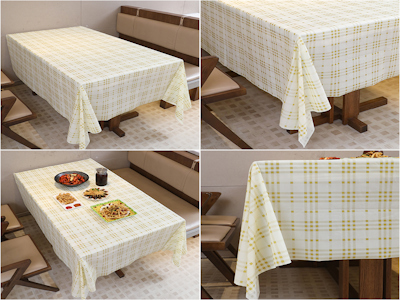
В современном мире, где индивидуальность и креативность ценятся как никогда высоко, цифровая печать на ткани становится настоящим прорывом в текстильной промышленности. Эта технология не только революционизирует процесс создания дизайнов, но и открывает безграничные возможности для персонализации и инноваций. В этой статье мы подробно рассмотрим, что такое цифровая печать на ткани, её преимущества, применение в различных сферах, а также будущие тенденции, которые делают её столь востребованной.
Цифровая печать на ткани – это процесс нанесения изображений непосредственно на ткань с использованием специализированных струйных принтеров и чернил. В отличие от традиционных методов, таких как шелкография или ротационная печать, которые требуют создания шаблонов или форм, цифровая печать позволяет печатать дизайны прямо с цифровых файлов. Это делает процесс более гибким, быстрым и экономически эффективным, особенно для малых серий или индивидуальных заказов.
Технология основана на использовании пигментных, реактивных или кислотных чернил, которые связываются с волокнами ткани, обеспечивая высокую стойкость и яркость цветов. Современные принтеры могут работать с различными типами тканей, включая хлопок, шелк, полиэстер и смесовые материалы, что расширяет область применения.
Одним из ключевых преимуществ цифровой печати является её способность создавать уникальные и сложные дизайны без ограничений, накладываемых традиционными методами. Вот некоторые из основных преимуществ:
Цифровая печать на ткани находит применение в numerous industries, transforming how products are designed and produced. Here are some key areas:
В индустрии моды цифровая печать позволяет дизайнерам экспериментировать с смелыми принтами и limited-edition коллекциями. Brands like Zara and H&M use it to quickly respond to trends, while haute couture houses create one-of-a-kind pieces. It's also popular in sportswear for custom jerseys and activewear.
For home decor, digital printing is used to produce unique curtains, bedding, upholstery, and tapestries. Consumers can personalize their living spaces with custom patterns or artworks, adding a touch of individuality to interiors.
In advertising, printed fabrics are used for banners, flags, and promotional items. Digital printing enables high-impact visuals for events and retail environments, enhancing brand visibility with vibrant designs.
Artists and creators leverage digital printing to produce textile art, installations, and wearable art. It bridges the gap between technology and craftsmanship, allowing for innovative expressions.
The process involves several steps: preparation of the digital design using software like Adobe Photoshop or Illustrator, pretreatment of the fabric to ensure ink adhesion, printing with specialized inkjet printers, and post-treatment including drying and fixing the ink through heat or steam. Advances in printer technology, such as Kornit Digital or Mimaki printers, have improved speed and quality, making it accessible to more businesses.
The future of digital textile printing looks promising with emerging trends like 3D printing on fabrics, smart textiles with integrated electronics, and sustainable inks derived from natural sources. As technology evolves, we can expect even greater precision, faster production times, and broader material compatibility. The integration of AI and machine learning may further optimize design processes and color matching.
Цифровая печать на ткани – это не просто технология; это инструмент для творчества и инноваций, который empowers individuals and industries to create unique, sustainable, and high-quality designs. Whether in fashion, home decor, or art, it offers a pathway to personalized expression and efficient production. Embrace this innovation to stay ahead in a competitive market and unleash your creative potential.
By adopting digital textile printing, businesses can reduce their environmental footprint while meeting the growing demand for customization. As we move forward, this technology will continue to shape the future of design and manufacturing, making it an essential part of the modern textile landscape.
 1388xx888xx