
Добро пожаловать.Wuhan Diai Environmental Protection Technology Co., Ltd.!!!

1388xx888xx
1388xx888xx
Информационный центр
 Текущее местоположение:
Главная страница >>
Информационный центр >>
Что такое искусственная льняная ткань и как ее использовать
Текущее местоположение:
Главная страница >>
Информационный центр >>
Что такое искусственная льняная ткань и как ее использовать
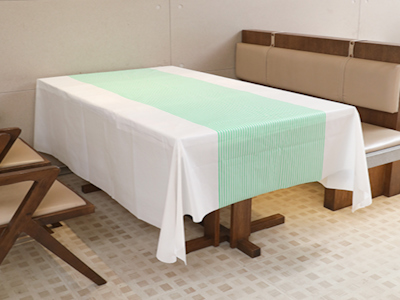
Искусственная льняная ткань представляет собой инновационный текстильный материал, созданный с использованием современных технологий для имитации свойств натурального льна. В этой статье мы подробно рассмотрим, что такое искусственная льняная ткань, её преимущества и недостатки, а также как эффективно использовать её в различных сферах, включая моду, интерьер и промышленность. Мы также обсудим экологические аспекты и будущие тенденции, чтобы предоставить всестороннее руководство для потребителей и профессионалов.
Искусственная льняная ткань — это синтетический или полусинтетический материал, разработанный для воспроизведения внешнего вида, текстуры и функциональных характеристик натурального льна. Натуральный лён, известный своей прочностью, воздухопроницаемостью и экологичностью, исторически использовался в текстильной промышленности на протяжении тысячелетий. Однако его производство может быть ограничено климатическими условиями, высокой стоимостью и ресурсоемкостью. В ответ на эти вызовы, искусственная льняная ткань emerged как устойчивая альтернатива, сочетающая в себе эстетику льна с улучшенными performance свойствами.
Производство искусственной льняной ткани часто involves использование волокон на основе целлюлозы, таких как вискоза, лиоцелл или модал, которые обрабатываются для создания льноподобной текстуры. Эти волокна могут быть blended с другими материалами, like полиэстер или хлопок, to enhance durability, wrinkle resistance, and ease of care. Ключевые advantages искусственной льняной ткани include её доступность, consistency in quality, and reduced environmental impact compared to traditional linen, making it an attractive option for modern consumers and industries.
В этой статье мы углубимся в детали искусственной льняной ткани, covering its history, manufacturing processes, types, and comparative analysis with natural linen. We will then explore its diverse applications in fashion, home decor, and beyond, providing practical tips on how to use and maintain it. Additionally, we will address environmental considerations and future trends, ensuring that readers gain a holistic understanding of this versatile material.
История искусственной льняной ткани тесно связана с развитием синтетических волокон в текстильной промышленности. Натуральный лён has been used since ancient times, with evidence dating back to prehistoric periods in regions like Mesopotamia and Egypt. Its popularity grew due to its durability and comfort, but industrialization in the 19th and 20th centuries highlighted the limitations of natural fibers, such as dependency on agricultural conditions and labor-intensive production.
The advent of artificial fibers began in the late 19th century with the invention of viscose rayon in 1892 by French chemist Hilaire de Chardonnet. This marked a turning point, as it allowed for the mass production of silk-like fabrics at lower costs. Over time, advancements in technology led to the development of other cellulose-based fibers like modal and lyocell, which could be engineered to mimic the properties of linen. In the mid-20th century, with the rise of synthetic polymers like polyester, manufacturers started experimenting with blends to create fabrics that combined the best of both worlds: the natural feel of linen with the practicality of synthetics.
By the 21st century, искусственная льняная ткань became widely available, driven by consumer demand for sustainable and affordable textiles. Innovations in textile engineering, such as digital printing and eco-friendly processing, have further refined its quality, making it a staple in global markets. Today, it is used by major fashion brands and home furnishing companies, reflecting its evolution from a mere imitation to a respected material in its own right.
Производство искусственной льняной ткани involves several steps, starting with the sourcing of raw materials. Primary materials include wood pulp for cellulose-based fibers or petroleum-based compounds for synthetic fibers like polyester. The process typically begins with the extraction and purification of cellulose, which is then dissolved into a viscous solution. For viscose rayon, this solution is forced through spinnerets to form filaments, which are treated with acids to solidify into fibers.
These fibers are then spun into yarns and woven or knitted into fabric. To achieve a linen-like appearance, special techniques such as texturing or blending with other fibers are employed. For instance, adding a small percentage of linen fibers to synthetic blends can enhance the authentic feel. Dyeing and finishing processes are crucial; they involve treatments to improve color fastness, softness, and wrinkle resistance. Eco-friendly methods, such as using closed-loop systems in lyocell production, minimize environmental impact by recycling chemicals and water.
Quality control is integral to the process, ensuring that the fabric meets standards for strength, breathability, and aesthetics. Advances in technology, like computer-aided design (CAD) and automation, have streamlined production, allowing for consistent output and customization. This makes искусственная льняная ткань not only efficient to produce but also adaptable to various consumer needs.
Искусственная льняная ткань comes in several types, each with unique characteristics based on the fibers used. Common types include: 1. Вискозный лён: Made from viscose rayon, it offers a soft, drapable texture similar to linen but with better moisture absorption and a smoother finish. It is often used in clothing for its comfort and affordability. 2. Лиоцелловый лён: Derived from lyocell, this type is known for its strength, biodegradability, and eco-friendly production. It has excellent breathability and is ideal for sustainable fashion. 3. Полиэстер-льняные blends: Combining polyester with linen or linen-like fibers, these fabrics are highly durable, resistant to wrinkles, and easy to care for, making them popular for upholstery and everyday wear. 4. Mixed fiber fabrics: Incorporating cotton, hemp, or other naturals, these blends balance aesthetics with functionality.
Key characteristics of искусственная льняная ткань include: - Breathability: Like natural linen, it allows air circulation, keeping the wearer cool. - Durability: Synthetic components enhance resistance to wear and tear. - Easy maintenance: Often machine washable and quick-drying, reducing ironing needs. - Aesthetic appeal: Can be designed to mimic the rustic, textured look of linen or offer a more polished finish. - Cost-effectiveness: Generally cheaper than pure linen, making it accessible to a broader audience.
Compared to natural linen, artificial versions may lack some of the unique aging qualities and entirely natural feel, but they compensate with consistency and enhanced practical benefits. Understanding these types helps consumers choose the right fabric for their specific applications.
Искусственная льняная ткань offers numerous advantages. Firstly, it is more affordable than natural linen, as production costs are lower due to scalable manufacturing and less dependency on agricultural factors. This makes it accessible for budget-conscious consumers. Secondly, it provides consistent quality; unlike natural linen, which can vary based on crop conditions, artificial versions are uniform in texture and color, reducing defects. Thirdly, it is easier to care for; many types are wrinkle-resistant and machine washable, saving time and effort in maintenance.
Additionally, искусственная льняная ткань can be engineered for specific properties, such as increased strength or moisture-wicking capabilities, making it versatile for various uses. From an environmental perspective, some types, like lyocell-based fabrics, are produced using sustainable methods with lower water and chemical usage compared to traditional linen processing.
However, there are drawbacks. Artificial fabrics may not be as breathable or biodegradable as pure linen, potentially leading to discomfort in hot climates or contributing to microplastic pollution if made from synthetics. Some consumers also prefer the authentic, natural feel of linen, which artificial versions might not fully replicate. Moreover, production of synthetic fibers can involve petroleum-based resources, raising concerns about fossil fuel dependency and environmental harm if not managed responsibly.
Balancing these pros and cons is essential for making informed decisions. For instance, choosing blends with high natural fiber content or opting for eco-certified artificial linen can mitigate negative impacts while enjoying the benefits.
В моде искусственная льняная ткань has gained popularity for its versatility and style. It is commonly used in clothing such as dresses, shirts, pants, and suits, offering a chic, relaxed look that mimics linen's casual elegance. Designers appreciate its ability to hold dyes well, allowing for vibrant colors and patterns that appeal to contemporary trends. For example, summer collections often feature artificial linen garments due to their light weight and breathability, perfect for warm weather.
Beyond everyday wear, it is used in accessories like bags and hats, where durability is key. High-fashion brands incorporate artificial linen into haute couture, experimenting with textures and blends to create unique pieces. The fabric's ease of care makes it practical for travel and active lifestyles, as it resists wrinkling and is easy to clean.
To use искусственная льняная ткань in fashion, consider pairing it with other materials for contrast; for instance, a linen-blend jacket over cotton jeans can create a balanced outfit. Styling tips include opting for neutral tones for a timeless appeal or bold prints for a statement look. Maintenance involves following care labels—typically machine washing in cold water and air drying to preserve the fabric's integrity. Embracing artificial linen in fashion not only enhances wardrobe options but also supports sustainable choices when selected from responsible producers.
В интерьере искусственная льняная ткань is a favored choice for home decor due to its aesthetic and functional qualities. It is widely used in upholstery for furniture like sofas, chairs, and cushions, providing a durable and stylish covering that resists fading and stains. Curtains and drapes made from artificial linen add a touch of elegance to rooms while offering light filtration and privacy. Additionally, it is popular for bedding, such as sheets and pillowcases, thanks to its softness and breathability, which promote comfortable sleep.
Table linens, including tablecloths and napkins, benefit from the fabric's ability to mimic the rustic charm of linen while being easier to maintain—often machine washable and iron-free. In wall coverings or decorative accents, artificial linen can create a warm, inviting atmosphere. Its versatility allows it to complement various interior styles, from minimalist to rustic or modern.
When incorporating искусственная льняная ткань into home decor, consider color coordination with existing themes; neutral shades like beige or gray offer flexibility, while patterns can add personality. For high-traffic areas, choose blends with synthetic fibers for added durability. Cleaning is straightforward: vacuum upholstery regularly and spot clean spills promptly to prolong lifespan. By using artificial linen, homeowners can achieve a sophisticated look without the high cost and maintenance of natural linen, making it an ideal choice for everyday living spaces.
Beyond fashion and home decor, искусственная льняная ткань finds applications in various industrial and specialized fields. In the automotive industry, it is used for seat covers and interior trims due to its durability resistance to UV rays and ease of cleaning. The healthcare sector employs it for medical uniforms and bedding where hygiene and comfort are paramount; its breathability helps regulate temperature and reduce irritation.
In hospitality, such as hotels and restaurants, artificial linen is chosen for table linens and uniform because of its cost-effectiveness and ability to withstand frequent washing. It is also used in technical textiles, for example, in filtration systems or protective clothing, where specific properties like strength or moisture management are enhanced through engineering.
Specialized uses include artistic projects, where the fabric serves as a canvas for printing or embroidery, and in eco-friendly products, such as reusable bags or packaging materials. The adaptability of искусственная льняная ткань allows it to be tailored for niche markets, demonstrating its broad utility. When selecting it for industrial purposes, factors like fiber composition, weight, and treatment processes should be considered to ensure it meets performance standards and regulatory requirements.
Экологические considerations are crucial when discussing искусственная льняная ткань. On the positive side, artificial versions can reduce the environmental footprint associated with natural linen production, which requires significant water, pesticides, and land use. For instance, lyocell-based fabrics are produced in closed-loop systems that recycle up to 99% of solvents, minimizing waste and pollution. Additionally, by using wood from sustainably managed forests, these fabrics support renewable resources.
However, challenges exist. Synthetic fibers like polyester are derived from non-renewable petroleum and can shed microplastics during washing, contributing to ocean pollution. The production of viscose often involves harmful chemicals if not properly managed, leading to deforestation and water contamination. To address these issues, consumers should look for certifications such as Oeko-Tex or Global Organic Textile Standard (GOTS), which ensure eco-friendly practices.
Choosing искусственная льняная ткань from brands committed to sustainability can make a difference. Innovations like bio-based synthetics or recycling programs are emerging, promising a greener future. By being mindful of the life cycle—from production to disposal—users can minimize negative impacts and contribute to a more sustainable textile industry.
Будущие тенденции in искусственная льняная ткань focus on sustainability, technology, and customization. Advances in bio-engineering may lead to fibers made from agricultural waste or algae, reducing reliance on traditional materials. Smart textiles incorporating sensors or temperature regulation could enhance functionality, making artificial linen even more versatile.
Digitalization will play a key role; 3D printing and AI-driven design could allow for personalized fabrics with unique patterns and properties. Consumer demand for transparency will drive brands to adopt blockchain for traceability, ensuring ethical sourcing and production.
In terms of style, we may see a rise in hyper-realistic imitations that closely mimic natural linen, appealing to purists. Collaborations between fashion tech and sustainability advocates will likely result in innovative products that balance aesthetics with eco-consciousness. Embracing these trends, искусственная льняная ткань is set to become a cornerstone of the future textile landscape, offering endless possibilities for creativity and responsibility.
To maximize the benefits of искусственная льняная ткань, follow these practical tips. For clothing, wash in cold water with mild detergent to prevent shrinkage and fading; avoid bleach to maintain color integrity. Tumble dry on low heat or air dry to reduce wrinkling, and iron on a low setting if needed. For home decor, vacuum upholstery regularly and treat stains immediately with a damp cloth.
When sewing or crafting, use sharp needles to prevent snags, and pre-wash fabric to account for any shrinkage. Store items in a cool, dry place to avoid moisture damage. For industrial uses, adhere to manufacturer guidelines for cleaning and maintenance to ensure longevity.
By caring for искусственная льняная ткань properly, users can enjoy its advantages for years. Combining these practices with mindful purchasing—opting for quality blends and sustainable options—will enhance overall satisfaction and contribute to a greener planet.
В заключение, искусственная льняная ткань представляет собой многофункциональный и современный материал, который успешно combines the best of natural and synthetic worlds. From its history and production to diverse applications in fashion, interior design, and industry, it offers numerous benefits such as affordability, durability, and ease of care. While environmental challenges exist, ongoing innovations and responsible choices can mitigate these issues.
By understanding how to use and maintain искусственная льняная ткань, consumers and professionals can make informed decisions that align with their needs and values. As trends evolve towards sustainability and technology, this fabric is poised to remain a key player in the textile market. Embrace its potential to enhance style, comfort, and efficiency in everyday life.
 1388xx888xx