
Добро пожаловать.Wuhan Diai Environmental Protection Technology Co., Ltd.!!!

1388xx888xx
1388xx888xx
Информационный центр
 Текущее местоположение:
Главная страница >>
Информационный центр >>
Память эластичной ткани изменит вашу повседневную жизнь навсегда
Текущее местоположение:
Главная страница >>
Информационный центр >>
Память эластичной ткани изменит вашу повседневную жизнь навсегда
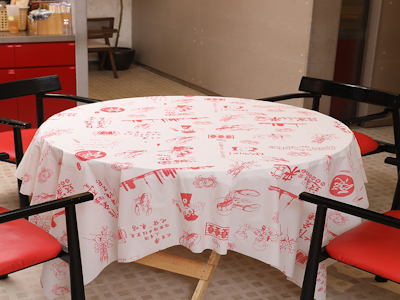
В мире, где технологии стремительно развиваются, инновации проникают во все сферы нашей жизни. Одной из таких революционных разработок является память эластичной ткани – материал, способный запоминать свою первоначальную форму и возвращаться к ней после деформации. Это не просто очередной тренд в текстильной промышленности; это прорыв, который кардинально изменит то, как мы одеваемся, отдыхаем, работаем и даже лечимся. В этой статье мы глубоко погрузимся в мир этой удивительной технологии, рассмотрим ее принципы, разнообразные применения и то, как она может преобразить вашу повседневность. Приготовьтесь открыть для себя будущее, которое уже наступило!
Память эластичной ткани, часто называемая умной тканью или тканью с памятью формы, – это инновационный материал, созданный на основе полимеров, таких как полиуретан или нитинол (сплав никеля и титана), которые обладают уникальным свойством: они могут быть деформированы под воздействием внешних факторов (например, тепла или механического напряжения), а затем возвращаться к своей исходной форме при удалении этих факторов. Этот феномен известен как эффект памяти формы (SME – Shape Memory Effect).
Принцип работы прост, но гениален: молекулы в материале организованы таким образом, что при определенных условиях (скажем, при комнатной температуре) ткань гибкая и может растягиваться, но при нагревании (например, от тела или окружающей среды) она «вспоминает» свою первоначальную конфигурацию и сокращается обратно. Это делает ее идеальной для применений, где требуется адаптивность и долговечность.
История этой технологии уходит корнями в 1960-е годы, когда ученые начали экспериментировать с сплавами, обладающими памятью формы. Изначально она использовалась в аэрокосмической и медицинской отраслях, но с advancements в производстве, стало возможным интегрировать ее в текстиль. Сегодня, благодаря нанотехнологиям и улучшенным производственным процессам, память эластичной ткани стала доступной и массовой, открывая двери для бесчисленных инноваций.
Ключевые преимущества включают: повышенную комфортность, так как ткань адаптируется к телу; долговечность, поскольку она менее подвержена постоянной деформации; и экологичность, так как многие варианты производятся из перерабатываемых материалов. Это не просто ткань – это умный материал, который работает на вас.
Одной из самых заметных областей, где память эластичной ткани уже произвела фурор, является fashion-индустрия. Представьте себе одежду, которая идеально сидит на вас, независимо от изменений в весе или движений. Это стало реальностью благодаря этой технологии.
Например, джинсы с памятью формы: они растягиваются, когда вы садитесь или двигаетесь, но быстро возвращаются к своей форме, избегая провисания или складок. Это означает, что вы можете носить их весь день без дискомфорта, и они всегда будут выглядеть свежо. Бренды like Levi's и Wrangler уже внедрили такие материалы в свои коллекции, и отзывы потребителей overwhelmingly positive.
Спортивная одежда также выигрывает: легинсы, футболки и даже обувь с памятью эластичной ткани обеспечивают лучшую поддержку и свободу движений. При тренировках ткань адаптируется к мышцам, reducing fatigue и improving performance. Это не только удобно, но и функционально – идеально для активного образа жизни.
Кроме того, эта технология revolutionizes повседневную одежду. Рубашки, которые не мнутся; платья, которые сохраняют форму после многократных носок; даже нижнее белье, которое обеспечивает идеальную посадку. Это экономит время на глажку и выбор одежды, делая жизнь проще и стильнее.
С точки зрения sustainability, память эластичной ткани often made from recycled materials, reducing waste. Brands are promoting eco-friendly lines, appealing to conscious consumers. This aligns with the global shift towards greener fashion, making it a win-win for both style and the planet.
Дом – это место, где мы проводим значительную часть времени, и память эластичной ткани приносит инновации и сюда. Мебель, оснащенная этой технологией, предлагает беспрецедентный уровень комфорта и долговечности.
Возьмем, к примеру, диваны и кресла с memory foam или тканевыми покрытиями, обладающими памятью формы. Они mould to your body when you sit, providing optimal support, and then return to their original shape when you get up. This prevents sagging and maintains the furniture's appearance for years. Companies like IKEA and Ethan Allen are integrating such materials into their products, enhancing user experience.
Постельное белье и матрасы также benefit hugely. Подушки и одеяла с памятью эластичной ткани adapt to your sleeping position, reducing pressure points and improving sleep quality. Это особенно полезно для людей с болями в спине или артритом, так как материал распределяет вес evenly.
Кроме того, домашний текстиль, such as curtains and upholstery, made from memory fabric is more resistant to wrinkles and stains, making maintenance easier. Imagine never having to iron your curtains again – that's the convenience this technology brings. It's a small change that adds up to a more relaxed and efficient home life.
With the rise of smart homes, memory elastic fabric can be integrated with sensors to adjust firmness or temperature based on user preferences, pushing the boundaries of home comfort even further. The future of living is adaptive and intelligent, thanks to innovations like this.
Perhaps the most impactful use of memory elastic fabric is in the medical field, where it has the potential to save lives and enhance treatments. Its properties make it ideal for various applications, from prosthetics to surgical tools.
Orthopedic devices, such as braces and supports, benefit significantly. A knee brace made from memory fabric can provide customized compression and support, adapting to the patient's movements and reducing recovery time. It's lightweight, comfortable, and effective, making rehabilitation less cumbersome.
In surgery, stents and other implants made from shape-memory alloys can be inserted in a compact form and then expand to the desired shape inside the body, minimizing invasive procedures. This reduces risks and improves outcomes for patients with cardiovascular or other conditions.
Prosthetics and wearable health monitors also utilize this technology. Artificial limbs with memory fabric can offer better fit and functionality, while smart clothing with embedded sensors can track vital signs and alert users to health issues. This is a game-changer for chronic disease management and preventive care.
Moreover, memory elastic fabric is used in bandages and wound care products that apply consistent pressure and promote healing. Its ability to maintain shape ensures that dressings stay in place, which is crucial for effective treatment.
The medical industry continues to explore new avenues, such as drug-delivery systems that use shape-memory polymers to release medication at controlled rates. This innovation not only improves patient compliance but also opens doors to personalized medicine.
As the world grapples with environmental challenges, memory elastic fabric offers a sustainable alternative in many sectors. Its durability and potential for recycling contribute to a reduction in waste and resource consumption.
In textiles, memory fabrics often have a longer lifespan than conventional materials because they resist permanent deformation. This means fewer replacements and less textile waste ending up in landfills. Brands are increasingly using recycled polymers to produce these fabrics, further lowering their carbon footprint.
In furniture and other products, the longevity of memory elastic components reduces the need for frequent disposal, aligning with circular economy principles. Consumers can enjoy products that last longer, saving money and reducing environmental impact.
Additionally, the production processes for memory fabrics are becoming more energy-efficient. Advances in manufacturing, such as 3D printing and green chemistry, are minimizing the environmental toll. This makes it a viable option for eco-conscious businesses and individuals.
By choosing products made with memory elastic fabric, you're not only investing in comfort and innovation but also supporting a greener planet. It's a step towards a sustainable future where technology and ecology go hand in hand.
Integrating memory elastic fabric into daily life brings numerous practical benefits that enhance convenience, health, and overall well-being.
For instance, in commuting, car seats with memory fabric provide ergonomic support, reducing back pain on long drives. In offices, chairs and desk accessories adapt to users, promoting better posture and productivity.
In personal care, items like hair ties or gloves made from this material offer a perfect fit without causing discomfort or marks. This small touch can make a big difference in daily routines.
Even in entertainment, such as gaming chairs or VR equipment, memory fabric ensures comfort during extended use, enhancing the experience without sacrificing health.
The psychological impact is also notable: less stress from clothing that doesn't fit well or furniture that causes discomfort leads to a happier, more relaxed life. It's about removing minor irritants that accumulate over time.
As adoption grows, we can expect to see memory elastic fabric in even more aspects of life, from public transportation to educational tools, making everyday interactions smoother and more enjoyable.
The potential of memory elastic fabric is vast, and ongoing research promises even more exciting developments. Scientists are working on enhancing its properties, such as increasing the temperature range for activation or integrating it with other smart technologies.
In the near future, we might see clothing that changes color or texture based on environment, or furniture that self-repairs minor damages. The integration with IoT (Internet of Things) could allow for real-time adjustments based on data, such as adjusting a mattress firmness according to sleep patterns.
In medicine, breakthroughs could include bio-compatible memory fabrics for internal use or advanced prosthetics that mimic natural movement perfectly. This could revolutionize healthcare and improve quality of life for millions.
Environmental applications are also on the horizon, such as using memory fabrics in construction for adaptive buildings that respond to weather conditions, reducing energy consumption.
The key to unlocking these possibilities lies in continued innovation and collaboration across industries. As costs decrease and awareness spreads, memory elastic fabric will become ubiquitous, shaping a future where adaptability and intelligence are embedded in everything around us.
Память эластичной ткани – это не просто technological marvel; it's a transformative force that is already reshaping our world. From the clothes we wear to the furniture we use, and even the medical treatments we rely on, its impact is profound and far-reaching.
By embracing this innovation, you can enjoy a life of greater comfort, efficiency, and sustainability. Whether you're a consumer looking for better products or a business seeking to innovate, now is the time to explore the possibilities.
Don't wait for the future to happen – be a part of it. Invest in memory elastic fabric technologies and experience the difference firsthand. Your everyday life will never be the same, and you'll be contributing to a smarter, greener planet.
Thank you for reading this in-depth exploration. Share this article with others to spread awareness, and stay tuned for more updates on how memory elastic fabric continues to change the game. Together, we can build a better tomorrow.
 1388xx888xx