
Добро пожаловать.Wuhan Diai Environmental Protection Technology Co., Ltd.!!!

1388xx888xx
1388xx888xx


Информационный центр
 Текущее местоположение:
Главная страница >>
Информационный центр >>
Человеческий узор ткани: стиль и элегантность в каждом переплетении
Текущее местоположение:
Главная страница >>
Информационный центр >>
Человеческий узор ткани: стиль и элегантность в каждом переплетении
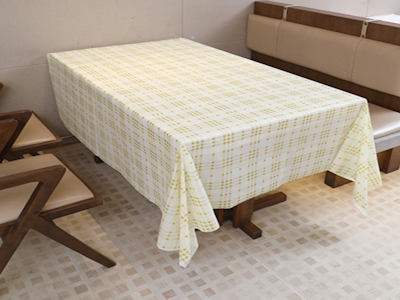
Ткань — это не просто материал; это искусство, история и выражение человеческого творчества. Каждое переплетение нитей создает уникальный узор, который несет в себе стиль и элегантность, отражая нашу культуру, эмоции и стремление к красоте. В этой статье мы погрузимся в мир тканей, исследуя, как их узоры становятся символом изысканности и как они влияют на нашу повседневную жизнь, моду и дизайн.
Ткани сопровождают человечество с древнейших времен. Первые образцы тканей, найденные археологами, датируются тысячелетиями до нашей эры. В древнем Египте, например, лен был символом чистоты и богатства, а его переплетения создавали сложные узоры, которые украшали одежды фараонов и жрецов. В Китае шелк, изобретенный около 5 000 лет назад, стал эталоном роскоши; его тонкие нити позволяли создавать невероятно элегантные узоры, которые до сих пор восхищают мир. С течением времени технологии развивались: от ручного ткачества до промышленных станков, но суть осталась неизменной — ткань как носитель стиля и элегантности.
В средние века в Европе ткачество стало ремеслом, которое передавалось из поколения в поколение. Города like Флоренция и Брюгге славились своими тканями, а узоры часто отражали местные традиции и социальный статус. Например, гобеленовые ткани с изображениями библейских сцен или охотничьих сцен были не только decorative но и символическими. С приходом промышленной революции в XVIII веке производство тканей массовизировалось, но это не уменьшило их эстетическую ценность. Напротив, это позволило сделать стиль и элегантность доступными для более широкой аудитории.
Сегодня, в эпоху fast fashion и устойчивого развития, ткань продолжает эволюционировать. Современные технологии, такие как 3D-печать и умные ткани, добавляют новые измерения к узорам, делая их не только красивыми, но и функциональными. Однако, несмотря на все инновации, core идея остается: человеческий узор ткани — это проявление искусства, которое соединяет прошлое, настоящее и будущее.
Переплетение — это сердце создания ткани. Оно определяет не только ее прочность и texture, но и эстетический appeal. Основные типы переплетений включают полотняное, саржевое и атласное, каждое из которых создает уникальный узор и ощущение.
Полотняное переплетение, самое простое и распространенное, характеризуется перекрещиванием нитей основы и утка под прямым углом. Оно создает ровную, durable поверхность, ideal для повседневной одежды like хлопковые рубашки или льняные брюки. Узор здесь минималистичен, но именно в этой простоте кроется элегантность — think о классической белой рубашке, которая никогда не выходит из моды.
Саржевое переплетение, с его диагональным рисунком, adds depth и texture. Оно часто используется в дениме для джинсов, где узор становится частью брендовой идентичности. Элегантность саржи lies в its ability to create movement и visual interest, making it perfect for items that need to stand out, like tailored suits или elegant dresses.
Атласное переплетение — это вершина luxury. С длинными floats нитей, оно создает гладкую, блестящую поверхность, которая ассоциируется с formal wear и haute couture. Узоры здесь могут быть intricate, often incorporating motifs like flowers или geometric patterns, embodying стиль и элегантность в pure form. История атласа восходит к ancient China, где он был reserved for royalty, и today it continues to symbolize opulence.
Beyond these basics, there are countless variations: jacquard weaves for complex patterns, dobby weaves for small geometric designs, and leno weaves for open, airy fabrics. Each technique requires skill and creativity, turning raw materials into works of art. The human touch in weaving — whether by hand or machine — ensures that every piece of fabric tells a story of style and elegance.
Мода — это язык, и ткани — его слова. Узоры ткани играют crucial role in defining trends and personal style. From the runways of Paris to the streets of Tokyo, fabric patterns set the tone for what is chic and elegant.
Consider the timeless appeal of stripes. Whether vertical or horizontal, stripes can elongate the silhouette, add structure, or create a casual yet polished look. In marine style, blue and white stripes evoke a sense of nautical elegance, while in business attire, pinstripes convey professionalism and sophistication. The pattern itself is simple, but its application in fashion demonstrates how style is enhanced through fabric choice.
Floral patterns, on the other hand, bring romance and femininity to clothing. From delicate prints on silk dresses to bold blooms on casual tops, florals allow individuals to express their personality and mood. Designers like Dior and Gucci have elevated floral patterns to art forms, using them in collections that celebrate nature's beauty and elegance. The key is in the balance — too much can be overwhelming, but just the right amount adds a touch of grace.
Geometric patterns, such as checks, plaids, and houndstooth, offer a more structured approach to style. They often associated with heritage and tradition, think of Scottish tartans or classic houndstooth coats. These patterns add visual interest and can make a bold statement without sacrificing elegance. In modern fashion, geometric patterns are reinterpreted in minimalist designs, proving that style is about innovation within tradition.
Animal prints, like leopard or zebra, inject wildness and confidence into outfits. Once considered daring, they are now mainstream symbols of empowerment and glamour. The elegance here comes from how the print is integrated — a subtle accessory or a full garment can transform an ensemble.
Ultimately, the style conveyed by fabric patterns is subjective and cultural. What is elegant in one context may be casual in another. However, the common thread is that human creativity in patterning allows for endless expression, making fashion a dynamic and ever-evolving art form.
Элегантность — это не только внешний вид, но и ощущение. Качество ткани directly impacts how elegant a garment feels and performs. Factors like fiber content, weave density, and finish contribute to the overall experience.
Natural fibers, such as cotton, silk, wool, and linen, are often prized for their elegance. Cotton is breathable and soft, ideal for everyday wear that feels comfortable yet stylish. Silk, with its smooth texture and natural sheen, epitomizes luxury and is used in evening wear and accessories. Wool offers warmth and durability, perfect for tailored suits that exude sophistication. Linen, though prone to wrinkling, has a rustic elegance that suits casual and formal settings alike.
Synthetic fibers, like polyester and nylon, have improved significantly over the years. They can mimic the look and feel of natural fibers while offering benefits like wrinkle resistance and affordability. However, true elegance often comes from blends that combine the best of both worlds — for example, a cotton-polyester blend that is easy to care for yet maintains a classic appeal.
The weight and drape of a fabric also affect its elegance. Heavy fabrics like tweed or velvet add substance and grandeur, ideal for outerwear or formal dresses. Lightweight fabrics like chiffon or organza create fluidity and movement, enhancing feminine elegance. The way a fabric falls on the body can make or break an outfit, highlighting the importance of choosing the right material for the desired effect.
Finishings, such as mercerization for cotton or calendering for synthetic fabrics, enhance the surface quality, making it smoother, shinier, or more resistant. These processes add a layer of refinement, ensuring that the fabric not only looks elegant but also lasts longer.
In high-end fashion, attention to detail is paramount. Hand-stitched embellishments, custom dyes, and exclusive patterns elevate fabrics to art pieces. Brands like Hermès or Brunello Cucinelli are renowned for their meticulous approach to textile production, where every thread is chosen for its contribution to style and elegance.
Ultimately, elegance in fabric is about harmony — between visual appeal, tactile sensation, and practical functionality. It's what makes a garment not just worn, but experienced.
Тканевые узоры are deeply rooted in cultural identities, serving as markers of heritage and tradition. Around the world, different regions have developed unique patterning techniques that reflect their history, environment, and values.
In India, for example, block printing and embroidery create vibrant patterns like paisley or floral motifs, often used in saris and shawls. These designs are not just decorative; they carry symbolic meanings related to fertility, prosperity, and spirituality. The elegance of Indian textiles lies in their color richness and intricate details, which have influenced global fashion for centuries.
In Japan, traditional techniques like shibori (tie-dye) and katazome (stencil dyeing) produce subtle, artistic patterns on fabrics like silk and cotton. The philosophy of wabi-sabi — embracing imperfection — is evident in these designs, where asymmetry and natural motifs create a quiet, refined elegance. Kimonos, with their elaborate patterns, are prime examples of how fabric can embody cultural elegance.
African textiles, such as Dutch wax prints or kente cloth, are celebrated for their bold geometric patterns and bright colors. These fabrics often tell stories or represent social status, making them powerful expressions of identity. In recent years, African patterns have gained international recognition, adding a dynamic and elegant twist to contemporary fashion.
In Europe, tartans from Scotland or lace from Belgium are iconic. Tartans identify clans and regions, while Belgian lace is synonymous with bridal elegance. These patterns have been adopted globally, yet they retain their cultural significance, showing how local elegance can become universal.
Globalization has led to cross-cultural exchanges, where designers blend patterns from different traditions to create new forms of elegance. This fusion respects origins while innovating, resulting in fabrics that are both stylish and meaningful.
Understanding cultural contexts enriches our appreciation of fabric patterns, reminding us that elegance is not monolithic but diverse and inclusive.
As we look to the future, the world of fabrics is evolving with a focus on innovation and sustainability. New technologies are enabling patterns that were once impossible, while ethical considerations are reshaping how fabrics are produced.
Smart fabrics, integrated with electronics, can change patterns or colors based on environmental stimuli or user input. Imagine a dress that shifts its pattern to match your mood or the season — this is not science fiction but a reality in development. Such innovations add a layer of interactive elegance, making fashion more personal and dynamic.
3D printing allows for the creation of Textile-like structures with complex geometries, enabling custom patterns that are unique to each garment. This technology reduces waste and allows for on-demand production, aligning with sustainable practices while maintaining style and elegance.
Sustainability is becoming a core aspect of elegance. Consumers are increasingly demanding fabrics made from recycled materials, organic fibers, or produced through low-impact processes. Brands are responding by developing patterns that not only look good but also tell a story of environmental responsibility. For example, patterns inspired by nature or made with natural dyes emphasize a connection to the earth, adding depth to their elegance.
Circular fashion initiatives promote the reuse and recycling of fabrics, ensuring that beautiful patterns don't end up in landfills. Upcycling old garments into new ones with creative patterns is a growing trend, combining vintage elegance with modern sensibility.
In terms of design, digital tools like CAD software enable designers to experiment with patterns more efficiently, reducing sample waste and allowing for greater creativity. This leads to more innovative and elegant fabrics that can be produced sustainably.
The future of fabric patterns is bright, with a balance between technological advancement and ethical mindfulness. Elegance will continue to be defined not just by aesthetics but by the values embedded in the material.
В заключение, человеческий узор ткани — это гораздо больше, чем просто decoration; это profound expression of our creativity, culture, and quest for beauty. From ancient weaving techniques to modern innovations, each pattern carries a piece of history and a vision for the future.
Style and elegance are woven into every thread, reflecting our desires for self-expression and connection. Whether through the simplicity of a plain weave or the complexity of a jacquard design, fabrics have the power to transform not only our appearance but also our confidence and mood.
As we move forward, let us cherish the artistry behind textiles, support sustainable practices, and continue to explore new ways to incorporate elegance into our lives. After all, in every переплетении, there is a story waiting to be told — a story of style, elegance, and the enduring human spirit.
Спасибо, что прочитали эту статью. Надеемся, она вдохновит вас ценить ткани в новом свете и embrace их элегантность в вашем собственном стиле.
 1388xx888xx