
Добро пожаловать.Wuhan Diai Environmental Protection Technology Co., Ltd.!!!

1388xx888xx
1388xx888xx


Информационный центр
 Текущее местоположение:
Главная страница >>
Информационный центр >>
Почему национальные узоры на ткани так популярны в современном дизайне
Текущее местоположение:
Главная страница >>
Информационный центр >>
Почему национальные узоры на ткани так популярны в современном дизайне
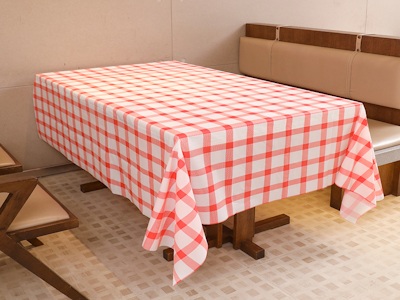
В последние годы мир дизайна стал свидетелем удивительного возрождения национальных узоров на ткани. От модных подиумов до интерьеров домов, традиционные мотивы, уходящие корнями в различные культуры, захватывают воображение дизайнеров и потребителей по всему миру. Но что стоит за этой тенденцией? Почему именно сейчас эти узоры стали таким востребованным элементом современного дизайна? В этой статье мы глубоко погрузимся в причины этой популярности, исследуя исторические, культурные, социальные и экономические аспекты, а также рассмотрим примеры из разных уголков мира.
Национальные узоры на ткани имеют богатую историю, которая насчитывает тысячелетия. Они возникли как способ выражения культурной идентичности, верований и социального статуса. Например, в России знаменитые павлопосадские платки с их яркими цветочными орнаментами появились в XIX веке и стали символом русского народного искусства. Эти узоры не только украшали одежду, но и рассказывали истории о природе, сезонах и традициях.
В других культурах, таких как японская, узоры на кимоно часто отражают философские концепции, например, гармонию с природой. Африканские ткани, такие как кенте из Ганы, используют геометрические узоры для передачи сообщений о сообществе и истории. Эти исторические корни придают национальным узорам глубину и смысл, которые отсутствуют в массовом производстве, что делает их особенно привлекательными в эпоху, когда потребители ищут аутентичность и связь с прошлым.
Каждый национальный узор несет в себе уникальную символику, которая передается из поколения в поколение. В скандинавских странах, например, узоры часто связаны с мифологией и природой, что отражает их любовь к простоте и функциональности. В Индии сложные вышивки и принты на сари могут символизировать благословение, процветание или даже социальный статус.
Эта символика не только обогащает дизайн, но и позволяет людям выражать свою индивидуальность и принадлежность к определенной культуре. В современном мире, где глобализация стирает границы, национальные узоры становятся мостом между традицией и инновацией, позволяя людям сохранять свою идентичность while embracing global trends.
Модная индустрия активно включила национальные узоры в свои коллекции. Бренды высокого класса, такие как Gucci и Dior, часто черпают вдохновение из этнических мотивов, создавая одежду, которая сочетает luxury с культурным наследием. Это не только привлекает внимание к разнообразию культур, но и делает традиционные узоры доступными для широкой аудитории.
В дизайне интерьеров национальные узоры используются для добавления warmth и character в пространство. Например, персидские ковры с их intricate patterns стали must-have элементом в современных домах, symbolizing роскошь и history. Similarly, текстиль с мексиканскими или марокканскими узорами может превратить обычную комнату в уютное и экзотическое retreat.
Глобализация сыграла ключевую роль в популяризации национальных узоров. Социальные медиа, такие как Instagram и Pinterest, позволяют дизайнерам и потребителям легко делиться и открывать для себя узоры со всего мира. Это создает global dialogue, где культуры взаимно influence друг друга, leading к hybrid designs that blend traditional motifs with contemporary aesthetics.
Цифровизация также упростила production и distribution тканей с национальными узорами. Онлайн-платформы enable small artisans from remote areas to reach international markets, promoting cultural exchange and economic empowerment. This democratization of design has made national patterns more accessible and desirable than ever before.
В ответ на массовое производство и однообразие fast fashion, consumers increasingly seek unique and sustainable options. National patterns offer a way to stand out and make a statement about personal values, such as support for local crafts and environmental consciousness. Many of these patterns are created using traditional techniques that are eco-friendly, such as natural dyes and hand-weaving, which aligns with the growing demand for sustainability in design.
This desire for authenticity is not just a trend but a movement towards more meaningful consumption. People want products that tell a story and have a positive impact, and national patterns on fabric perfectly embody this ethos.
Brands and designers play a crucial role in popularizing national patterns. By collaborating with local artisans or incorporating traditional motifs into their designs, they help preserve cultural heritage while making it relevant for today's audience. For instance, brands like Zara and H&M have launched collections inspired by global patterns, bringing them to mainstream fashion.
Moreover, designers often reinterpret these patterns in innovative ways, combining them with modern materials and technologies. This fusion of old and new creates fresh and exciting designs that appeal to a wide range of consumers, from young trendsetters to older generations who appreciate tradition.
On a psychological level, national patterns can evoke feelings of nostalgia, comfort, and connection. In a fast-paced world, they offer a sense of stability and roots, which is particularly appealing in times of uncertainty. Socially, wearing or using items with national patterns can be a form of cultural appreciation and education, fostering empathy and understanding between different communities.
This emotional resonance is a powerful driver of popularity, as people seek products that not only look good but also make them feel good about their choices and identities.
Let's explore specific examples. In Russia, the matryoshka doll patterns or khokhloma painting have been adapted onto fabrics, adding a touch of folklore to contemporary fashion. In Japan, the delicate patterns of wagara (traditional designs) are used in modern kimonos and home decor, blending minimalism with tradition.
From Africa, the bold and colorful patterns of Ankara fabric have gained international fame, symbolizing joy and resilience. In Latin America, the vibrant patterns of Peruvian textiles reflect the rich Inca heritage. Each of these examples shows how national patterns are being reinvented for the modern era, maintaining their cultural essence while appealing to global tastes.
The economic impact of this trend is significant. The demand for national patterns has boosted industries related to handicrafts, tourism, and local economies. For example, in countries like India and Morocco, the textile sector benefits from increased interest in traditional patterns, creating jobs and preserving skills.
Market-wise, products featuring national patterns often command higher prices due to their perceived value and uniqueness. This makes them attractive for businesses looking to differentiate themselves in a competitive market. Additionally, the rise of e-commerce has made it easier for consumers to access these products from anywhere in the world, further driving demand.
Despite the popularity, there are challenges. Cultural appropriation is a major concern, where patterns are used without proper acknowledgment or benefit to the originating culture. It's important for designers and brands to engage in ethical practices, such as collaborating with communities and ensuring fair compensation.
Another challenge is the risk of oversaturation or dilution of meaning when patterns are mass-produced. To address this, there is a growing movement towards authenticity and education, encouraging consumers to learn about the stories behind the patterns they choose.
Looking ahead, the popularity of national patterns is likely to continue growing. As technology advances, we may see more innovations, such as digital printing allowing for customization of traditional motifs. Sustainability will remain a key focus, with an emphasis on using eco-friendly materials and methods.
Moreover, as global awareness of cultural diversity increases, national patterns will play a vital role in promoting inclusivity and cross-cultural dialogue. They are not just a passing trend but a timeless element of design that adapts to changing times while honoring the past.
В заключение, популярность национальных узоров на ткани в современном дизайне обусловлена их глубокими историческими корнями, культурной значимостью, and ability to meet modern desires for authenticity, sustainability, and individuality. Through the lens of globalization, digitalization, and ethical consumption, these patterns have found a new life, enriching our visual landscape and connecting us to our shared human heritage. As we move forward, it is essential to embrace them with respect and creativity, ensuring that they continue to inspire and unite people across the globe.
Эта тенденция – не просто мода, а reflection of our evolving relationship with culture and identity in an interconnected world. Whether in fashion, interior design, or everyday items, national patterns on fabric remind us of the beauty and diversity that make our world so rich and fascinating.
 1388xx888xx