
Добро пожаловать.Wuhan Diai Environmental Protection Technology Co., Ltd.!!!

1388xx888xx
1388xx888xx
Информационный центр
 Текущее местоположение:
Главная страница >>
Информационный центр >>
балийская марля секреты удивительного материала из Индонезии
Текущее местоположение:
Главная страница >>
Информационный центр >>
балийская марля секреты удивительного материала из Индонезии
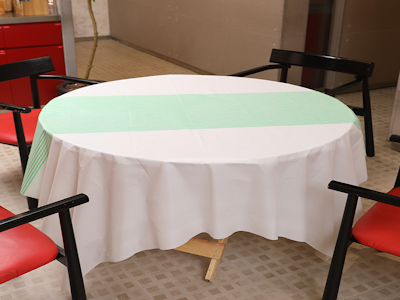
В мире текстиля существует множество уникальных материалов, которые не только служат практическим целям, но и несут в себе глубокую культурную и историческую ценность. Одним из таких материалов является балийская марля — удивительный продукт индонезийского ремесла, который сочетает в себе традиции, искусство и экологичность. В этой статье мы погрузимся в секреты этого материала, explore его origins, производство, применение и то, как он продолжает вдохновлять современный мир.
Балийская марля, известная также как "kain tenun" или "traditional Balinese gauze", представляет собой легкую, воздушную ткань, изготовленную из натуральных волокон, таких как хлопок или шелк. Её отличительной чертой является уникальная текстура и узоры, созданные с помощью ручного ткачества и техник батика. Этот материал не только функционален, но и является символом богатого культурного наследия острова Бали и всей Индонезии.
Исторически марля использовалась для изготовления одежды, религиозных церемоний и декоративных purposes. Сегодня она находит применение в моде, интерьере и даже в wellness-индустрии, благодаря своим естественным свойствам и эстетической appeal.
Интересный факт: Балийская марля often features intricate patterns that tell stories from Hindu mythology or local folklore, making each piece a work of art.
Корни балийской марли уходят глубоко в историю Индонезии, где ткачество было не просто ремеслом, а sacred art. На Бали, острове с predominant Hindu culture, текстиль играл ключевую роль в религиозных и social rituals. Марля, в particular, использовалась для создания одежды для temple ceremonies, wedding attire, и как offering to the gods.
Традиционно, production of this fabric was a community effort, with knowledge passed down through generations. Women in villages would gather to weave, sing, and share stories, reinforcing social bonds. The patterns on the gauze often symbolize protection, prosperity, or spiritual beliefs, such as the famous "kawung" motif, which represents harmony and balance.
With the influence of Dutch colonization and globalization, Balinese textiles faced challenges but also opportunities for preservation and innovation. Today, organizations and artisans work to keep these traditions alive, blending old techniques with modern designs.
Production of Balinese gauze is a labor-intensive process that involves several steps, each requiring skill and patience. It starts with the selection of raw materials. Natural fibers like cotton are grown locally or imported, then spun into yarn. For higher-quality gauze, silk may be used, adding a luxurious touch.
The weaving process is done on traditional looms, often hand-operated. Artisans use techniques like "ikat" (where yarns are tie-dyed before weaving) or "batik" (wax-resist dyeing) to create patterns. This results in fabric that is not only beautiful but also durable and breathable.
Dyeing is another crucial step. Natural dyes from plants, such as indigo for blue or turmeric for yellow, are preferred for their eco-friendly properties. The fabric is then washed and finished to enhance its softness and sheen.
Совет: При покупке балийской марли ищите сертификаты, подтверждающие использование натуральных материалов и ethical production practices.
Балийская марля обладает рядом уникальных свойств, которые делают её stand out среди других тканей. Во-первых, её lightweight и breathable nature делает её идеальной для теплого климата, allowing air circulation and keeping the wearer cool. Это также hypoallergenic материал, подходящий для людей с sensitive skin.
Кроме того, due to its handcrafted nature, each piece is unique, with variations in pattern and texture that add character. The fabric is also sustainable, as it often uses organic materials and traditional methods that have minimal environmental impact.
In terms of durability, proper care can make Balinese gauze last for years. It is easy to maintain — hand washing in cold water and air drying are recommended to preserve its quality.
Сегодня балийская марля finds applications beyond traditional uses. In fashion, it is used to create elegant clothing like sarongs, dresses, and scarves. Designers worldwide incorporate it into their collections for its bohemian and ethnic flair.
In home decor, the gauze is popular for curtains, table linens, and wall hangings, adding a touch of exotic charm to interiors. It is also used in wellness products, such as yoga mats or meditation cushions, thanks to its natural and calming properties.
Moreover, the rise of ethical consumerism has boosted demand for handmade and sustainable textiles, positioning Balinese gauze as a premium choice for conscious buyers.
Production of Balinese gauze supports local economies in Indonesia. It provides livelihoods for artisans, especially women in rural areas, helping to preserve cultural heritage while promoting economic development. Tourism also plays a role, with many visitors purchasing textiles as souvenirs, further boosting the industry.
However, challenges such as competition from machine-made fabrics and the need for adaptation to modern markets exist. Initiatives like fair trade certifications and online marketplaces are helping artisans reach global audiences.
Cultural exchange through textiles fosters understanding and appreciation of Indonesian culture worldwide, making Balinese gauze not just a product but a bridge between traditions and modernity.
При выборе балийской марли обратите внимание на качество: ищите ровные weave, яркие colors, и отсутствие defects. Натуральные dyes могут fade over time, but this adds to the fabric's charm. Для ухода, hand wash with mild soap, avoid bleach, and dry flat to maintain shape. Iron on low heat if necessary, but often the wrinkles are part of its aesthetic.
Запомните: Investment in authentic Balinese gauze supports artisans and sustainable practices, so choose wisely.
Балийская марля — это больше, чем просто ткань; это embodiment of culture, craftsmanship, and sustainability. Её секреты lie in the hands of skilled artisans who continue to innovate while honoring traditions. As the world moves towards more ethical and unique products, this amazing material from Indonesia is poised to shine even brighter.
We encourage readers to explore and support this beautiful craft, whether through purchase, education, or simply sharing its story. Together, we can help preserve this incredible heritage for future generations.
Спасибо за чтение! Если у вас есть вопросы или вы хотите поделиться своим опытом, оставьте комментарий ниже.
 1388xx888xx