
Добро пожаловать.Wuhan Diai Environmental Protection Technology Co., Ltd.!!!

1388xx888xx
1388xx888xx
Информационный центр
 Текущее местоположение:
Главная страница >>
Информационный центр >>
Технология переноса принта на ткань революция в текстиле
Текущее местоположение:
Главная страница >>
Информационный центр >>
Технология переноса принта на ткань революция в текстиле
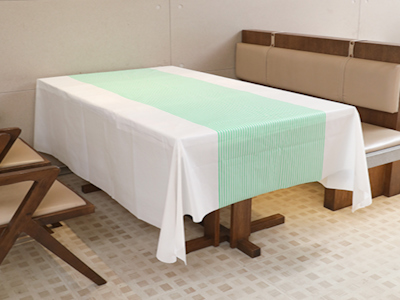
В мире, где мода и технологии стремительно сливаются, текстильная промышленность переживает беспрецедентную трансформацию. Одной из ключевых инноваций, ведущих эту революцию, является технология переноса принта на ткань. Это не просто метод украшения материалов; это прорыв, который переопределяет возможности дизайна, производства и устойчивости. В этой статье мы подробно исследуем, как эта технология меняет ландшафт текстиля, от её истоков до будущих горизонтов, и почему она заслуживает звания настоящей революции.
Текстильное искусство имеет глубокие корни, уходящие в древние цивилизации. Ещё в Древнем Египте и Китае люди использовали примитивные методы печати, такие как блок-печать и ручная роспись, чтобы украшать ткани. Эти техники требовали огромных усилий и времени, ограничивая массовое производство. С развитием промышленной революции в XVIII и XIX веках появились механические станки и методы трафаретной печати, которые ускорили процесс, но всё же оставались трудоёмкими и негибкими.
Переломный момент наступил в середине XX века с изобретением термопереноса и сублимационной печати. В 1960-х годах технологии, подобные термопереносу, начали применяться для нанесения изображений на ткань с помощью тепла и давления. Это позволило создавать более сложные дизайны с меньшими затратами. Однако настоящая революция началась с цифровизации в конце XX и начале XXI веков. Цифровая печать, основанная на компьютерных технологиях, открыла эру, где ограничения традиционных методов были преодолены. Сегодня технология переноса принта эволюционировала в высокоточный, эффективный и экологичный процесс, способный производить бесконечное разнообразие дизайнов за короткое время.
Современная технология переноса принта на ткань включает несколько ключевых методов, каждый со своими преимуществами и применениями. Давайте рассмотрим основные из них.
Термоперенос — это метод, при котором изображение печатается на специальной бумаге с термочувствительными чернилами, а затем переносится на ткань с помощью тепла и давления. Этот процесс идеален для небольших тиражей и персонализированных изделий, таких как футболки или аксессуары. Преимущества включают простоту использования, низкую начальную стоимость и возможность работы с различными тканями, включая хлопок и полиэстер. Однако недостатком может быть ограниченная долговечность, особенно при частой стирке, и необходимость в специальном оборудовании.
Сублимационная печать — это более advanced метод, где чернила превращаются в газ под воздействием тепла и проникают в волокна ткани, создавая стойкое и яркое изображение. Этот метод особенно популярен для синтетических тканей, таких как полиэстер, и широко используется в спортивной одежде, флагах и домашнем текстиле. Ключевые преимущества: высокая стойкость к стирке и износу, возможность печати full-color дизайнов без потери качества, и экологичность, так как он не требует воды в процессе печати. Недостатки включают ограничение по типам тканей (в основном синтетические) и более высокую стоимость оборудования.
Цифровая прямая печать — это метод, при котором изображение печатается непосредственно на ткань с помощью струйных принтеров, аналогичных тем, что используются для бумаги. Это позволяет достичь высокой детализации и цветовой точности, идеально для малых и средних тиражей. DTG особенно эффективен для хлопковых тканей и предлагает большую гибкость в дизайне. Преимущества: минимальные preparation costs, возможность печати сложных градиентов и фотографий, и экологичность due to reduced waste. Недостатки: slower production speed for large volumes and higher cost per unit compared to traditional methods.
Хотя трафаретная печать является традиционным методом, она часто используется в combination с переносными техниками для массового производства. В этом процессе краска наносится через сетчатые шаблоны, создавая durable и яркие prints. It is cost-effective for large orders but less flexible for complex designs or small batches. Modern innovations have integrated digital elements to improve efficiency.
Сравнивая эти методы, можно сказать, что выбор depends on the specific needs: термоперенос for customization, сублимация for durability on synthetics, DTG for detail, and трафаретная for volume. The revolution lies in the integration of these technologies, allowing producers to mix and match for optimal results.
Одним из most significant aspects of the print transfer revolution is its positive impact on the environment. Traditional textile printing methods, such as screen printing, often involve large amounts of water, chemicals, and waste. For example, screen printing can use up to 150 liters of water per kilogram of fabric due to washing and cleaning processes, contributing to water pollution.
In contrast, modern transfer technologies like dye sublimation and DTG are much more eco-friendly. Dye sublimation uses no water in the printing process, as the inks are dry and vaporize directly into the fabric. This reduces water consumption by up to 95% compared to conventional methods. Additionally, these methods generate less waste because they allow for on-demand printing, minimizing overproduction and inventory excess.
Digital printing also enables the use of eco-friendly inks, such as water-based or soy-based formulations, which are biodegradable and less toxic. This aligns with the growing demand for sustainable fashion, where consumers are increasingly conscious of the environmental footprint of their clothing. Brands adopting these technologies can reduce their carbon footprint, conserve resources, and appeal to eco-aware markets.
Moreover, the ability to print locally through digital means reduces transportation emissions associated with global supply chains. Small batches can be produced closer to the point of sale, cutting down on logistics-related pollution. This shift towards decentralization is a key part of the textile revolution, promoting a more circular economy where waste is minimized, and resources are used efficiently.
The economic implications of print transfer technology are profound, driving down costs and increasing accessibility for businesses of all sizes. In the past, entering the textile printing industry required significant capital investment in large machinery and bulk materials, making it dominated by big corporations.
With technologies like DTG and heat transfer, startup costs have plummeted. A small business or even an individual can invest in a desktop printer for a few thousand dollars and start producing custom apparel. This democratization of production has fueled the rise of niche markets, personalized products, and fast fashion adaptations. For example, online platforms like Etsy or custom T-shirt shops thrive on these technologies, allowing entrepreneurs to turn creative ideas into profitable ventures with minimal overhead.
On a larger scale, digital printing reduces waste and improves efficiency. Traditional methods often lead to overproduction due to minimum order quantities, but digital printing enables just-in-time manufacturing. This means companies can produce exactly what is needed, when it is needed, reducing inventory costs and minimizing unsold stock. The flexibility to change designs quickly also allows brands to respond rapidly to trends, enhancing competitiveness in a fast-paced market.
Furthermore, the integration of automation and AI in print transfer processes is boosting productivity. Automated systems can handle color matching, design adjustments, and quality control, reducing labor costs and errors. This not only saves money but also increases output quality, making high-end printing accessible to a broader audience.
Perhaps the most exciting aspect of print transfer technology is the explosion of creative possibilities it unlocks. Gone are the days of limited color palettes and simple patterns; today, designers can create intricate, photorealistic images with ease.
Digital printing allows for unlimited colors and gradients, enabling designs that were previously impossible with traditional methods. Artists can experiment with textures, overlays, and complex graphics without the constraints of screen setups or color separation. This has revitalized textile art, leading to collaborations between technology and creativity. For instance, fashion designers are incorporating digital prints into haute couture, creating wearable art that tells stories and expresses individuality.
Personalization is another game-changer. With technologies like DTG, consumers can order custom-made garments with their own photos, logos, or messages. This trend is particularly popular in events like weddings, sports teams, and corporate branding, where uniqueness is valued. The ability to produce one-off items efficiently has transformed consumer expectations, driving demand for products that reflect personal identity.
Moreover, augmented reality (AR) and interactive designs are emerging trends. Some advanced print transfer methods incorporate QR codes or AR markers into fabrics, allowing wearers to engage with digital content through smartphones. This blurs the line between physical and digital worlds, opening new avenues for marketing and entertainment.
The revolution in print transfer technology is far from over; future developments promise even greater advancements. Here are some key trends to watch.
As IoT (Internet of Things) expands, print transfer technology is merging with smart textiles. Conductive inks and printed electronics can be applied to fabrics, creating clothing with embedded sensors for health monitoring, temperature regulation, or connectivity. This could revolutionize industries like healthcare, sports, and fashion, making garments functional beyond aesthetics.
Research is focused on developing even greener inks and processes. Bio-based inks derived from algae or other renewable sources are being tested, along with closed-loop systems that recycle water and waste. The goal is to achieve zero-impact printing, where the entire process is carbon-neutral and waste-free.
Combining 3D printing with textile transfer could allow for the creation of textured surfaces and functional elements directly on fabric. This might lead to innovations in protective gear, adaptive clothing, or artistic installations, pushing the boundaries of what textiles can do.
AI will play a larger role in optimizing print processes, from design generation to quality assurance. Machine learning algorithms can predict trends, automate color correction, and even create custom designs based on user preferences, making production smarter and more efficient.
These innovations will continue to drive the textile industry towards a more innovative, sustainable, and personalized future, solidifying the role of print transfer technology as a cornerstone of modern manufacturing.
Технология переноса принта на ткань — это не просто техническое усовершенствование; это фундаментальный сдвиг в том, как мы создаем, потребляем и думаем о текстиле. От её скромных начал до нынешнего status как двигателя innovation, она доказала свою способность transforming industries, empowering creators, and promoting sustainability. As we look ahead, the potential for further growth is immense, with emerging technologies poised to make textiles smarter, greener, and more integral to our daily lives.
Whether you're a fashion enthusiast, a business owner, or simply curious about the future, embracing this revolution can open doors to new opportunities. The era of mass customization, eco-friendly production, and boundless creativity is here, and it's driven by the humble yet powerful act of transferring print to fabric. Let's continue to explore, innovate, and weave this technology into the fabric of our world.
 1388xx888xx