
Добро пожаловать.Wuhan Diai Environmental Protection Technology Co., Ltd.!!!

1388xx888xx
1388xx888xx
Информационный центр
 Текущее местоположение:
Главная страница >>
Информационный центр >>
Композитные ткани инновационный материал для современной промышленности
Текущее местоположение:
Главная страница >>
Информационный центр >>
Композитные ткани инновационный материал для современной промышленности
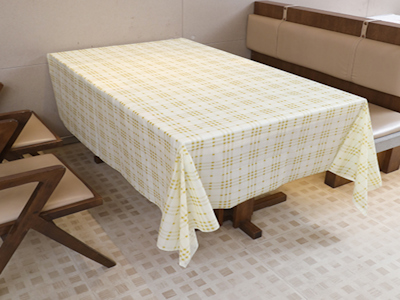
В современную эпоху технологического прогресса промышленность постоянно ищет новые материалы, способные повысить эффективность, снизить затраты и улучшить экологические показатели. Одним из таких революционных материалов являются композитные ткани, которые представляют собой синтез различных волокон и матриц для создания уникальных свойств. Эти материалы находят применение в авиакосмической, автомобильной, строительной, медицинской и многих других отраслях, демонстрируя выдающиеся характеристики, такие как высокая прочность, легкость, устойчивость к коррозии и гибкость в дизайне.
Композитные ткани не просто дополняют традиционные материалы; они открывают новые горизонты для инноваций. Например, в авиации их использование позволяет снизить вес самолетов, что приводит к экономии топлива и снижению выбросов CO2. В автомобильной промышленности композитные ткани используются для создания легких и прочных кузовов, улучшая безопасность и топливную экономичность. В строительстве они применяются для усиления конструкций, повышая их долговечность и устойчивость к землетрясениям.
Технологии производства композитных тканей включают различные методы, такие как наслоение, плетение и infusion процессы, которые позволяют точно контролировать свойства конечного продукта. Ключевыми компонентами являются волокна (например, углеродные, стеклянные или арамидные) и полимерные матрицы (например, эпоксидные смолы), которые вместе создают материалы с превосходными механическими и термическими характеристиками.
Однако внедрение композитных тканей сопряжено с вызовами, включая высокую стоимость производства, сложность переработки и необходимость специализированных знаний. Несмотря на это, ongoing исследования и разработки направлены на преодоление этих препятствий, например, через создание биоразлагаемых композитов или улучшение процессов рециклинга.
Будущее композитных тканей выглядит promising, с ожидаемым ростом рынка благодаря increasing спросу в emerging экономиках и развитии новых applications, таких как wearable electronics и smart textiles. Инвестиции в R&D и collaboration между industry и academia будут crucial для further инноваций.
В этой статье мы глубоко исследуем композитные ткани как инновационный материал для современной промышленности. Мы начнем с обзора их основ и истории, затем рассмотрим ключевые свойства и преимущества, технологии производства, применение в различных отраслях, вызовы и ограничения, и завершим future перспективами и рекомендациями. Цель — предоставить comprehensive insights для профессионалов и заинтересованных лиц, highlighting как композитные ткани могут transform промышленность и contribute к sustainable развитию.
Композитные ткани, также известные как композитные материалы или композиты, представляют собой engineered материалы, созданные путем combining двух или более constituent материалов с different physical или chemical properties. В случае тканей, это обычно involves textiles волокна, embedded в polymer матрице. Resulting material обладает свойствами, которые superior к those of individual components, thanks к синергетическому effect.
История композитных материалов dates back к ancient times, например, использование глины и соломы в строительстве, но modern композитные ткани emerged в mid-20th century с development of advanced волокон, таких как fiberglass и later carbon fiber. Пионерские работы в 1940s и 1950s laid foundation для today's applications, особенно в military и aerospace sectors.
Key characteristics композитных тканей include:
Эти свойства делают композитные ткани indispensable в modern промышленности, где efficiency и performance are paramount.
Композитные ткани обладают рядом уникальных свойств, которые дают им significant преимущества over традиционные materials like metals и plastics. Эти свойства derived from комбинации волокон и матрицы, и они могут быть customized для specific applications.
Одним из most notable преимуществ является их lightweight nature. Например, carbon fiber composites can be up to 70% lighter than steel при comparable strength, что leads к fuel savings в transportation sectors. В aerospace, это translates к reduced emissions и lower operating costs.
Другое key advantage — durability. Композитные ткани resistant к fatigue, impact, и environmental factors such as UV radiation и moisture. Это делает их suitable для outdoor и marine applications, где longevity is critical.
Additionally, они offer excellent chemical resistance, making them ideal для chemical processing industry. Их ability to be molded into complex shapes позволяет designers to create innovative products with aerodynamics или ergonomic features.
С точки зрения sustainability, композитные ткани can contribute to green initiatives by enabling lighter vehicles (reducing carbon footprint) и through development of recyclable вариантов. Однако, challenges remain в end-of-life management, которое мы обсудим later.
Overall, преимущества композитных тканей делают их powerful tool для enhancing industrial performance и driving innovation.
Производство композитных тканей involves sophisticated processes that ensure high quality и consistency. Основные методы включают:
Choice of method depends on factors such as cost, production volume, и desired properties. Key materials used include:
Quality control is crucial, involving testing for mechanical properties, void content, и adhesion. Advances in automation и AI are improving production efficiency и reducing defects.
Эти технологии continuously evolving, с focus на making processes more sustainable и cost-effective.
Композитные ткани нашли widespread применение across multiple industries due to their versatile properties. Вот некоторые key sectors:
Каждая отрасль leverages specific properties композитных тканей для address unique challenges. Например, в aerospace, focus на high-temperature resistance; в medical, на sterilization compatibility.
Рост применения driven by technological advancements и increasing awareness of benefits. Collaboration between industries fosters innovation, such as using aerospace composites в automotive для cross-pollination of ideas.
Несмотря на многочисленные преимущества, композитные ткани face several challenges that hinder their broader adoption.
Одним из основных limitations является высокая стоимость. Production of advanced fibers like carbon fiber requires significant energy и specialized equipment, making initial investment high. Это может быть prohibitive для small businesses или developing regions.
Другой challenge — сложность переработки. Thermoset composites are difficult to recycle because the resin is cross-linked and cannot be easily melted down. Это leads to waste management issues, especially as volumes increase. Landfilling или incineration are common but not environmentally friendly.
Кроме того, there are technical challenges, such as:
To address these, ongoing research focuses on developing thermoplastic composites (easier to recycle), improving recycling technologies (e.g., pyrolysis или mechanical recycling), и enhancing education и training programs.
Regulatory и стандартные issues also play a role, as industries need to establish codes и certifications для ensure safety и reliability.
Преодоление этих вызовов critical для maximizing potential композитных тканей в sustainable промышленности.
Будущее композитных тканей bright, с numerous opportunities для growth и innovation. Прогнозы indicate that global market для composites will continue to expand, driven by demand from emerging economies и new applications.
Key trends include:
Для stakeholders, recommendations include:
В заключение, композитные ткани represent a cornerstone of modern промышленности, offering unparalleled benefits. С continued effort, они могут play a pivotal role в shaping a more efficient и sustainable future.
Эта статья aimed to provide a comprehensive overview, и мы надеемся, что она inspires further exploration и adoption этого innovative material.
 1388xx888xx