
Добро пожаловать.Wuhan Diai Environmental Protection Technology Co., Ltd.!!!

1388xx888xx
1388xx888xx
Информационный центр
 Текущее местоположение:
Главная страница >>
Информационный центр >>
Кукурузное волокно революция в экологичной моде
Текущее местоположение:
Главная страница >>
Информационный центр >>
Кукурузное волокно революция в экологичной моде
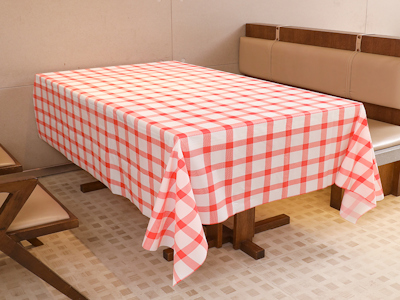
В современном мире, где осознанное потребление и устойчивое развитие становятся неотъемлемой частью глобальной повестки, индустрия моды переживает глубокую трансформацию. Традиционные методы производства, основанные на ископаемых ресурсах и вредных химических процессах, уступают место инновационным, экологичным решениям. Среди них выделяется кукурузное волокно — материал, который не только революционизирует текстильную промышленность, но и открывает новые горизонты для создания модных продуктов, сочетающих стиль, комфорт и заботу о планете. Эта статья погрузит вас в увлекательный мир кукурузного волокна, раскрывая его потенциал, преимущества и то, как оно меняет будущее экологичной моды.
Кукурузное волокно, также известное как полилактид (PLA) волокно, производится из кукурузного крахмала через процесс ферментации и полимеризации. В отличие от синтетических волокон, таких как полиэстер или нейлон, которые derived from petroleum, кукурузное волокно является био-based и biodegradable. Это означает, что оно разлагается в природных условиях, significantly reducing environmental impact. The production process involves extracting starch from corn, converting it into lactic acid, and then polymerizing it into fibers that can be spun into yarns for textiles. This innovation not only utilizes renewable resources but also minimizes greenhouse gas emissions compared to conventional synthetic fibers.
Importance of corn fiber lies in its ability to address critical issues in the fashion industry, such as pollution, resource depletion, and waste management. With the global textile sector responsible for approximately 10% of carbon emissions and massive water consumption, switching to sustainable alternatives like corn fiber can lead to a substantial reduction in ecological footprint. Moreover, as consumers become more environmentally conscious, demand for eco-friendly products is soaring, making corn fiber a key player in the green revolution of fashion.
История кукурузного волокна начинается в середине 20 века, когда ученые начали исследовать биополимеры как альтернативу petroleum-based materials. Первые коммерческие применения PLA были в медицинской области, например, для рассасывающихся швов, due to its biocompatibility. Однако, только в 1990-х годах, с advancements in biotechnology and growing environmental concerns, corn fiber gained traction in the textile industry. Companies like NatureWorks LLC pioneered the large-scale production of Ingeo™ fiber, a type of PLA derived from corn, which marked a turning point for sustainable textiles.
Over the past two decades, development has accelerated with improvements in production efficiency, cost reduction, and enhancement of fiber properties. Today, corn fiber is used not only in clothing but also in home textiles, packaging, and even automotive applications. Collaborations between agricultural sectors, research institutions, and fashion brands have fueled innovation, making corn fiber more accessible and versatile. For instance, blends with other natural fibers like cotton or wool enhance its durability and feel, expanding its use in high-performance and luxury fashion.
Одним из главных достоинств кукурузного волокна является его положительное воздействие на окружающую среду. Во-первых, оно биоразлагаемо: при компостировании или в естественных условиях волокно разлагается на углекислый газ и воду в течение нескольких месяцев to a few years, unlike synthetic fibers that persist for centuries in landfills. This significantly reduces textile waste, which is a major contributor to global pollution. Additionally, the production of corn fiber consumes less energy and water compared to conventional fibers. For example, manufacturing PLA fiber generates up to 60% fewer greenhouse gas emissions than polyester production, according to life cycle assessments.
Furthermore, corn is a renewable resource that can be grown annually, reducing dependence on finite fossil fuels. The cultivation of corn for fiber can also be integrated with sustainable farming practices, such as crop rotation and reduced pesticide use, enhancing soil health and biodiversity. However, it's important to note that concerns exist regarding land use and potential competition with food crops. To mitigate this, many producers source corn from non-GMO or surplus agricultural waste, ensuring that fiber production does not exacerbate food security issues. Overall, the environmental benefits make corn fiber a cornerstone of circular economy principles in fashion.
Кукурузное волокно находит diverse applications in the fashion industry, catering to various segments from casual wear to high fashion. Its softness, moisture-wicking properties, and versatility make it ideal for activewear, underwear, and everyday apparel. Brands like Patagonia and H&M have incorporated corn fiber into their collections, offering products that are not only stylish but also sustainable. For instance, T-shirts made from corn fiber blends provide excellent comfort and durability while being eco-friendly.
In high fashion, designers are experimenting with corn fiber to create innovative textures and designs. Its ability to be dyed easily and blended with other materials allows for creative expressions that align with luxury aesthetics. Runway shows have featured garments made entirely from corn-based fabrics, highlighting the material's potential to redefine elegance without compromising on sustainability. Moreover, accessories such as bags and shoes are being crafted from corn fiber, demonstrating its adaptability across different product categories. This widespread adoption is driven by consumer demand for transparency and ethical production, pushing brands to integrate sustainable materials like corn fiber into their core offerings.
При оценке кукурузного волокна в контексте экологичной моды, полезно сравнить его с другими sustainable materials, such as organic cotton, hemp, bamboo, and recycled polyester. Organic cotton, while natural and biodegradable, requires significant water and land resources, often leading to higher environmental costs in cultivation. Hemp and bamboo are highly sustainable due to their rapid growth and low input needs, but processing them into fibers can involve chemical treatments that may offset some benefits.
Recycled polyester, made from post-consumer plastic bottles, reduces waste but still relies on petroleum-based sources and may shed microplastics during washing. In contrast, corn fiber offers a unique balance: it is derived from renewable biomass, biodegradable, and has a lower carbon footprint in production. However, it may not be as durable as some synthetics or have the same breathability as natural fibers like cotton. Blending corn fiber with other materials can overcome these limitations, creating composites that leverage the strengths of each. For example, a blend with organic cotton can enhance softness and reduce overall environmental impact, making it a superior choice for comprehensive sustainability.
Будущее кукурузного волокна bright with ongoing innovations aimed at enhancing its properties and expanding its applications. Research is focused on improving the tensile strength, elasticity, and color fastness of corn fiber to make it competitive with high-performance synthetics. Advances in biotechnology are enabling the use of non-food biomass, such as agricultural residues, for fiber production, addressing concerns about resource competition. Additionally, developments in circular economy models are promoting closed-loop systems where corn fiber products are recycled or composted at end-of-life, minimizing waste.
Emerging trends include the integration of smart technologies, such as embedding sensors or antimicrobial properties into corn fiber fabrics, opening up possibilities for wearable tech in sustainable fashion. Collaborations between fashion brands, tech companies, and environmental organizations are driving these innovations forward. As consumer awareness grows and regulations on sustainability tighten, the adoption of corn fiber is expected to surge, potentially making it a standard material in the industry. The ultimate goal is to create a fashion ecosystem that is not only beautiful and functional but also regenerative and kind to the planet.
Для потребителей, желающих внести вклад в экологичную моду, incorporating corn fiber products into their wardrobe is a practical step. Start by looking for labels that indicate the use of PLA or bio-based fibers when shopping for clothing. Many brands now highlight sustainable materials in their product descriptions, making it easier to identify options. When caring for corn fiber garments, follow washing instructions carefully to prolong their life; typically, they can be machine washed in cold water and air-dried to maintain integrity and reduce energy use.
Additionally, consider the entire lifecycle of the product: opt for items that are designed for durability and easy recycling or composting. Supporting brands that prioritize transparency and ethical practices further amplifies the positive impact. By choosing corn fiber, consumers not only enjoy comfortable and stylish apparel but also participate in a larger movement towards reducing fashion's environmental footprint. Small actions, multiplied across millions of people, can drive significant change in the industry.
В заключение, революция кукурузного волокна в экологичной моде представляет собой мощный сдвиг towards a more sustainable and ethical industry. Its benefits—biodegradability, reduced carbon footprint, and versatility—make it a compelling alternative to traditional materials. As technology advances and adoption increases, corn fiber has the potential to become a cornerstone of circular fashion, where waste is minimized, and resources are used efficiently.
However, challenges remain, such as scaling production sustainably and ensuring equitable resource use. Collaboration among stakeholders—farmers, manufacturers, designers, and consumers—is essential to overcome these hurdles. By embracing innovations like corn fiber, we can create a fashion world that values both people and the planet. The journey towards sustainability is ongoing, but with materials like corn fiber leading the way, the future of fashion looks greener and more promising than ever.
Эта статья лишь scratches the surface of the corn fiber revolution. As you explore further, remember that every choice matters. Whether you're a designer, a brand, or a consumer, your actions contribute to shaping a better tomorrow for fashion and the environment.
 1388xx888xx