
Добро пожаловать.Wuhan Diai Environmental Protection Technology Co., Ltd.!!!

1388xx888xx
1388xx888xx
Информационный центр
 Текущее местоположение:
Главная страница >>
Информационный центр >>
Медноаммиачное смесовое полотно комфорт или экологическая революция в текстиле
Текущее местоположение:
Главная страница >>
Информационный центр >>
Медноаммиачное смесовое полотно комфорт или экологическая революция в текстиле
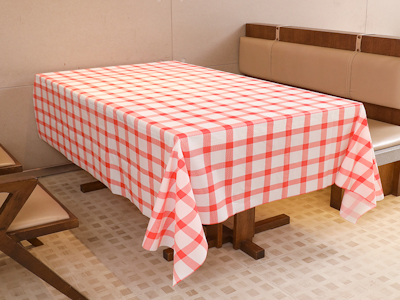
В современном мире текстильная промышленность переживает беспрецедентные изменения, движимые растущим спросом на экологически чистые и комфортные материалы. Среди множества инноваций выделяется медноаммиачное смесовое полотно — продукт, который не только обещает непревзойденный комфорт, но и представляет собой настоящую экологическую революцию. В этой статье мы подробно рассмотрим, что такое медноаммиачное полотно, как оно производится, его уникальные свойства, применения и почему оно может изменить будущее текстиля.
Медноаммиачное смесовое полотно — это инновационный текстильный материал, созданный путем сочетания медных волокон с другими натуральными или синтетическими волокнами, такими как хлопок, вискоза или полиэстер. Ключевым компонентом являются медные ионы, которые интегрируются в структуру ткани на молекулярном уровне, используя аммиачные соединения для улучшения адгезии и свойств. Этот процесс позволяет создать материал, обладающий антимикробными, антистатическими и терморегулирующими свойствами, что делает его идеальным для широкого спектра применений, от одежды до медицинских текстилей.
История медноаммиачных тканей началась в начале XXI века, когда ученые обнаружили, что медь, известная своими антибактериальными свойствами, может быть эффективно внедрена в текстильные волокна. С тех пор технология эволюционировала, и сегодня медноаммиачное полотно считается одним из самых передовых материалов в индустрии, сочетающим в себе древние знания о меди с современными производственными методами.
Производство медноаммиачного смесового полотна — это сложный многоэтапный процесс, требующий точности и инноваций. Он начинается с подготовки медных компонентов, которые обычно используются в форме медных оксидов или солей. Эти компоненты растворяются в аммиачных растворах, создавая стабильные комплексы, которые затем смешиваются с полимерными расплавами или растворами других волокон.
На первом этапе, медные соединения обрабатываются аммиаком для формирования медноаммиачных комплексов, таких как [Cu(NH3)4]2+. Эти комплексы обладают высокой растворимостью и стабильностью, что позволяет легко интегрировать их в текстильные волокна. Затем, эта смесь добавляется к основному материалу, например, вискозе или хлопку, в процессе прядения или экструзии. Современные методы, такие как электроспиннинг или химическое осаждение, обеспечивают равномерное распределение медных ионов по всей структуре ткани.
После формирования волокон, они проходят дополнительные обработки, включая промывку для удаления избыточных химикатов, сушку и термофиксацию. Это гарантирует, что медные ионы прочно закреплены в материале, предотвращая вымывание и обеспечивая долговечность свойств. Весь процесс разработан с учетом экологических стандартов, с минимизацией отходов и использованием возобновляемых ресурсов, где это возможно.
Ключевым преимуществом этой технологии является её масштабируемость. Она может быть адаптирована для массового производства, делая медноаммиачное полотно доступным для широкого потребителя. Кроме того, инновации в области нанотехнологий позволяют создавать ultra-тонкие волокна с усиленными свойствами, открывая новые горизонты для применения в высокотехнологичных текстилях.
Медноаммиачное смесовое полотно обладает рядом выдающихся свойств, которые выделяют его на фоне традиционных материалов. Во-первых, его антимикробные характеристики: медные ионы эффективно подавляют рост бактерий, грибков и вирусов, что делает ткань гигиеничной и идеальной для использования в медицинской одежде, постельном белье или спортивной экипировке. Исследования показывают, что такие ткани могут снижать риск инфекций на up to 99%, что особенно важно в эпоху пандемий.
Во-вторых, материал демонстрирует превосходные антистатические свойства. Это означает, что он не накапливает статическое электричество, reducing discomfort and the attraction of dust particles. Для одежды это translates into более комфортное ношение, особенно в сухих условиях или при использовании электронных устройств.
Терморегуляция — ещё одно ключевое преимущество. Медноаммиачное полотно способно адаптироваться к temperature changes, keeping the body cool in heat and warm in cold. Это достигается за счет теплопроводности меди и структуры волокон, которые promote air circulation and moisture management. В результате, одежда из такого материала обеспечивает оптимальный комфорт в различных климатических условиях.
Дополнительно, ткань отличается durability and softness. Despite the incorporation of copper, it remains lightweight and breathable, similar to high-quality cotton or silk. It is also resistant to pilling and fading, ensuring that garments maintain their appearance over time. Moreover, the material is often hypoallergenic, making it suitable for people with sensitive skin or allergies.
Экологические аспекты также noteworthy. Медноаммиачное полотно производится с reduced environmental impact compared to synthetic alternatives. Copper is a naturally occurring element, and its use in textiles can be part of a circular economy, as it is recyclable and biodegradable under certain conditions. This aligns with growing consumer demand for sustainable products.
Благодаря своим уникальным свойствам, медноаммиачное смесовое полотно находит применение в diverse sectors. В fashion industry, it is used for everyday clothing, sportswear, and luxury items. Designers appreciate its comfort, aesthetic appeal, and functional benefits, such as odor resistance and moisture-wicking capabilities. For example, athletic wear made from this material can enhance performance by keeping athletes dry and comfortable during intense activities.
В medical field, the antimicrobial properties make it ideal for hospital linens, surgical gowns, and wound dressings. It helps prevent healthcare-associated infections (HAIs), which are a major concern globally. Studies have shown that using copper-infused textiles in hospitals can lead to a significant reduction in bacterial contamination, improving patient outcomes and reducing costs.
Home textiles also benefit from this innovation. Bed sheets, towels, and upholstery made from copper-ammonia blended fabric offer a hygienic and comfortable living environment. They are particularly useful for households with children or elderly individuals, where hygiene is paramount.
Additionally, the material is used in technical textiles, such as filters, protective gear, and automotive interiors. Its anti-static properties make it suitable for electronics manufacturing environments, where static discharge can damage sensitive components.
The versatility of copper-ammonia blended fabric extends to outdoor and adventure gear. Its ability to regulate temperature and resist microbes makes it perfect for camping equipment, hiking clothes, and other activities where durability and comfort are essential.
As technology advances, we can expect to see even more innovative applications, such as in smart textiles that integrate sensors or IoT devices, leveraging the conductive properties of copper for enhanced functionality.
Медноаммиачное смесовое полотно represents a significant step towards sustainability in the textile industry. Traditional textile production is often associated with high water consumption, chemical pollution, and waste generation. In contrast, the production of copper-ammonia fabric incorporates eco-friendly practices.
First, the use of copper, a abundant and recyclable material, reduces reliance on petroleum-based synthetics. Copper can be sourced from recycled sources, minimizing mining impacts. The ammonia used in the process is often recovered and reused, reducing chemical waste.
Second, the antimicrobial properties mean that garments require less frequent washing, saving water and energy. For instance, if a shirt made from this material needs washing only half as often as a conventional cotton shirt, it can lead to substantial reductions in household water usage and detergent pollution over time.
Third, the durability of the fabric extends the lifespan of products, reducing the need for replacements and thereby decreasing textile waste. This aligns with the principles of a circular economy, where products are designed to last longer and be repurposed.
Moreover, the biodegradability of certain blends, especially those with natural fibers, ensures that at end-of-life, the material does not contribute significantly to landfill pollution. However, it's important to note that complete biodegradability depends on the specific composition; blends with synthetics may require specialized recycling.
Compared to other innovative textiles, such as those made from recycled plastics or organic cotton, copper-ammonia fabric offers a unique combination of performance and sustainability. It doesn't compete with food crops like cotton often does, and it provides added health benefits that other materials lack.
The environmental revolution is also driven by consumer awareness. As more people seek out green products, brands that adopt materials like copper-ammonia blended fabric can differentiate themselves and tap into a growing market. Certifications such as Oeko-Tex or GOTS can further validate its eco-credentials, building trust with environmentally conscious consumers.
In summary, copper-ammonia fabric is not just a comfortable option; it's a proactive choice for reducing environmental footprint while enhancing everyday life.
Чтобы fully appreciate the value of медноаммиачное полотно, it's helpful to compare it with other common textiles. Cotton, for example, is soft and breathable but lacks antimicrobial properties and requires extensive water and pesticides for cultivation. In contrast, copper-ammonia fabric offers similar comfort with added functional benefits and a lower environmental impact in terms of chemical use.
Polyester and other synthetics are durable and moisture-wicking but are derived from non-renewable resources and can shed microplastics during washing. Copper-ammonia blends can mimic these properties while incorporating natural elements and reducing plastic pollution.
Silk and wool are luxurious and natural but often expensive and not always practical for everyday use due to care requirements. Copper-ammonia fabric provides a cost-effective alternative with enhanced durability and ease of maintenance.
In terms of performance, materials like silver-infused textiles also offer antimicrobial benefits, but silver is more expensive and less abundant than copper. Copper has been shown to be equally effective against microbes while being more economical and sustainable.
Another comparison is with bamboo or lyocell fabrics, which are celebrated for their sustainability. However, these may not have the same level of antimicrobial activity without additional treatments. Copper-ammonia fabric integrates these properties inherently, making it a superior choice for applications where hygiene is critical.
Overall, copper-ammonia blended fabric strikes a balance between comfort, functionality, and sustainability, positioning it as a leader in the next generation of textiles.
The future of copper-ammonia blended fabric looks promising, driven by ongoing research and increasing adoption. Innovations in nanotechnology could lead to even finer control over copper ion release, enhancing properties like targeted antimicrobial action or improved conductivity for smart textiles.
In the textile industry, we can expect to see more blends combining copper with other innovative materials, such as graphene or biodegradable polymers, to create multifunctional fabrics. These could be used in advanced applications like energy harvesting, health monitoring, or adaptive clothing that changes properties based on environment.
Consumer trends towards health and wellness will continue to fuel demand. As people become more aware of the benefits of antimicrobial textiles, especially post-pandemic, products like copper-ammonia fabric will see expanded use in everyday items, from underwear to home decor.
Regulatory support may also play a role. Governments and organizations promoting sustainable practices could incentivize the use of such materials through subsidies or standards, accelerating their integration into mainstream markets.
Challenges remain, such as scaling production cost-effectively and ensuring that end-of-life disposal is managed responsibly. However, with collaboration between manufacturers, researchers, and policymakers, these hurdles can be overcome.
Ultimately, copper-ammonia blended fabric is poised to be a cornerstone of the ecological revolution in textiles, offering a path towards more sustainable, comfortable, and intelligent materials that benefit both people and the planet.
Медноаммиачное смесовое полотно — это не просто очередной тренд в текстиле; это transformative innovation that combines comfort, functionality, and environmental responsibility. Its unique properties, from antimicrobial action to thermo-regulation, make it suitable for a wide range of applications, while its production methods align with sustainable practices. As we move towards a future where consumers demand more from their products, materials like this will lead the way in creating a healthier, greener world. Embrace the revolution — choose copper-ammonia blended fabric for a better tomorrow.
Для получения дополнительной информации о медноаммиачном полотне и его применениях, свяжитесь с нашими экспертами или посетите наш веб-сайт. Присоединяйтесь к движению за экологичный текстиль и откройте для себя комфорт будущего уже сегодня!
 1388xx888xx