
Добро пожаловать.Wuhan Diai Environmental Protection Technology Co., Ltd.!!!

1388xx888xx
1388xx888xx
Информационный центр
 Текущее местоположение:
Главная страница >>
Информационный центр >>
Пенная ткань революция в мире комфорта и стиля
Текущее местоположение:
Главная страница >>
Информационный центр >>
Пенная ткань революция в мире комфорта и стиля
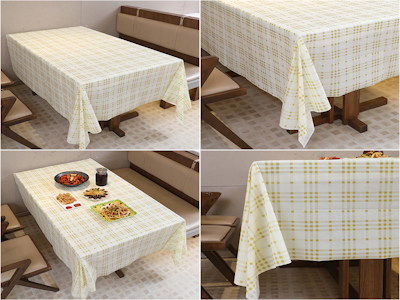
В современном мире, где технологии и инновации стремительно меняют нашу повседневную жизнь, пенные ткани стали настоящим прорывом, объединяя комфорт, стиль и функциональность. Эта статья погрузит вас в увлекательный мир пенных тканей, раскроет их уникальные свойства, историю развития, применение в различных сферах и то, как они формируют будущее моды и домашнего уюта. Мы рассмотрим, почему эти материалы завоевывают сердца миллионов людей по всему миру и как они способны преобразить ваш образ жизни.
Пенная ткань — это инновационный материал, который производится путем вспенивания полимеров, таких как полиуретан или другие синтетические соединения, с последующим формированием в текстильные структуры. Процесс создания начинается с химических реакций, где жидкие компоненты смешиваются и вспениваются под воздействием катализаторов, создавая легкую, пористую структуру. Эта структура затем обрабатывается для придания прочности, эластичности и других желаемых свойств. Ключевые этапы производства включают подготовку сырья, вспенивание, формование и отделку, что позволяет получать материалы с varying density, толщиной и текстурой. Благодаря advanced технологиям, пенные ткани могут быть designed для specific применений, от мягких и воздушных вариантов для постельного белья до более плотных и durable для мебели.
История пенных тканей восходит к середине XX века, когда химическая промышленность начала экспериментировать с полиуретанами. Первоначально used в ограниченных областях, таких как упаковка или изоляция, эти materials постепенно evolved благодаря innovations в materials science. В 1970-х годах, с развитием foam technology, пенные ткани стали применяться в consumer products, и с тех пор их популярность only росла. Сегодня, с advancements в sustainable production и smart materials, пенные ткани represent cutting-edge инновации, offering unmatched комфорт и versatility.
Основные types пенных тканей включают memory foam, известный своей способностью conform to body shape; latex foam, который natural и hypoallergenic; и polyurethane foam, самый common и affordable вариант. Каждый type имеет свои преимущества: memory foam ideal для mattresses и pillows due to its pressure-relieving properties, latex foam excellent для allergy sufferers, а polyurethane foam widely used в upholstery и clothing due to its lightweight и cost-effectiveness. Innovations такие как gel-infused foams или breathable variants further enhance их performance, making их indispensable в modern life.
Пенные ткани offer myriad преимуществ that make их standout в comparison to traditional materials. Одним из key advantages является их exceptional комфорт. Благодаря porous structure, они provide superior cushioning и support, adapting to body contours и reducing pressure points. Это особенно valuable в bedding и furniture, где комфорт paramount. Например, memory foam mattresses are renowned for их ability to alleviate back pain и improve sleep quality, studies показали that они can reduce tossing и turning by up to 30% compared to spring mattresses.
Другим significant benefit является durability. Пенные ткани resistant to wear и tear, maintaining their shape и properties over time. Они less prone to sagging или deformation, which extends the lifespan of products. In tests, high-quality foam materials can last for decades without significant degradation, making them cost-effective in the long run. Additionally, они lightweight и easy to handle, facilitating transportation и installation, which is a boon for manufacturers и consumers alike.
Style и aesthetics также play a crucial role в popularity пенных тканей. Они can be engineered in various colors, textures, и patterns, allowing for endless design possibilities. From sleek, modern looks in home decor to vibrant, fashion-forward apparel, пенные ткани enable creativity и personalization. Moreover, они often feature moisture-wicking properties, making them ideal for activewear или bedding in humid climates. Environmental benefits are increasingly important; many foam textiles are now made from recycled materials или are biodegradable, reducing ecological footprint. For instance, some companies use soy-based foams, which are more sustainable than petroleum-based alternatives.
Health benefits cannot be overlooked. Пенные ткани are hypoallergenic и resistant to dust mites, mold, и bacteria, promoting a healthier living environment. This is particularly beneficial for individuals with allergies или respiratory issues. In medical applications, они are used in orthopedic supports или wheelchair cushions, enhancing quality of life. The combination of comfort, durability, style, и health advantages makes пенные ткани a revolutionary choice in today's market.
Пенные ткани have found widespread application across multiple industries, transforming how we experience comfort и style. In the home textile sector, они are integral to mattresses, pillows, и bedding. Memory foam mattresses, for example, have become a staple in bedrooms worldwide, offering personalized support that traditional springs cannot match. Pillows made from foam provide neck support, reducing stiffness и improving sleep. Additionally, foam-based duvets и mattress toppers add an extra layer of luxury, making every night's rest a rejuvenating experience.
In furniture, пенные ткани are used in upholstery for sofas, chairs, и ottomans. They provide a soft, inviting feel while maintaining structural integrity. High-resilience foam is commonly used in seating because it rebounds quickly after compression, ensuring long-lasting comfort. Innovations like cooling gels infused into foam help regulate temperature, preventing that sticky feeling in summer months. The automotive industry also leverages foam textiles for car seats, headrests, и interior panels, enhancing driver и passenger comfort during long journeys.
The fashion industry has embraced пенные ткани for their unique properties. In clothing, they are used in activewear, swimwear, и even haute couture. Foam materials can be lightweight и flexible, allowing for dynamic designs that move with the body. For instance, foam-lined jackets provide insulation without bulk, while foam accents in shoes offer cushioning for all-day wear. In accessories, items like foam-based hats или bags add a touch of modernity и functionality.
Beyond consumer goods, пенные ткани are pivotal in healthcare и sports. In medicine, они are used in prosthetics, orthotics, и patient care products like pressure-relief cushions, which prevent bedsores. In sports, foam padding is essential in protective gear for activities like football или martial arts, reducing impact injuries. The versatility of these materials means they continue to expand into new areas, such as acoustic insulation in buildings или packaging for fragile items, demonstrating their revolutionary impact.
Пенные ткани have profoundly influenced modern lifestyle by elevating standards of comfort, convenience, и aesthetics. In home environments, они contribute to a more relaxed и luxurious atmosphere. Imagine sinking into a foam-cushioned sofa after a long day or sleeping on a mattress that contours to your body—these experiences redefine daily living. The emphasis on wellness и self-care has driven demand for products that promote better sleep и reduced stress, and foam textiles deliver on that front. Surveys show that over 60% of consumers prioritize comfort in home purchases, and foams are at the forefront of meeting this need.
In terms of style, пенные fabrics enable minimalist и ergonomic designs that align with contemporary trends. Their ability to be molded into various shapes allows for sleek, space-saving furniture that doesn't compromise on comfort. For example, modular foam seating can be rearranged easily, adapting to different social settings. In fashion, the use of foam adds dimension и texture, creating statement pieces that stand out. Designers often incorporate foam into collections to achieve avant-garde looks that are both functional and fashionable.
The convenience factor cannot be ignored. Lightweight foam products are easy to move и store, making them ideal for urban living where space is limited. Additionally, many foam items are machine washable или require minimal maintenance, saving time и effort. This practicality extends to travel products like foam neck pillows for flights или portable mattresses for camping, enhancing mobility без sacrificing comfort.
Psychologically, the adoption of foam textiles reflects a shift towards prioritizing personal well-being. In a fast-paced world, people seek solace in environments that offer respite, and foams provide that sanctuary. They also foster innovation; as consumers become more educated about materials, they drive demand for eco-friendly и smart foams, pushing industries towards sustainable practices. Ultimately, пенные ткани are not just a trend but a integral part of a modern, style-conscious lifestyle that values comfort, health, и individuality.
The future of пенные ткани is bright, with ongoing innovations poised to further revolutionize comfort и style. One emerging trend is the development of smart foams that can respond to environmental changes. For example, temperature-regulating foams that adjust based on body heat are already in production, offering personalized comfort in real-time. Another advancement is in sustainability; researchers are creating foams from renewable resources like algae или mushrooms, which are biodegradable и have a lower carbon footprint. These eco-friendly options are gaining traction as consumers become more environmentally conscious.
In terms of technology, integration with IoT (Internet of Things) is on the horizon. Imagine a foam mattress that monitors your sleep patterns и provides insights via an app, or furniture that adjusts firmness based on user preferences. Such innovations could transform homes into smart, adaptive spaces. Additionally, 3D printing technology is being used to produce customized foam products, allowing for bespoke designs that cater to individual needs. This personalized approach is expected to become mainstream in the coming decades.
Health and wellness will continue to drive innovation. Foams with antimicrobial properties or those infused with essential oils for aromatherapy are already available, enhancing their therapeutic benefits. In the fashion industry, we might see more use of foam in wearable technology, such as clothing that monitors vital signs или provides posture correction. The boundaries between different sectors are blurring, with foams playing a key role in convergent technologies.
Market trends indicate steady growth for foam textiles, with projections suggesting a global market increase of over 5% annually. As urbanization rises and disposable incomes grow, demand for comfortable, stylish products will surge. However, challenges such as raw material costs или regulatory issues related to chemicals used in production need addressing. Collaboration between industries и continued investment in R&D will be crucial to overcoming these hurdles и unlocking the full potential of пенные ткани.
Choosing the right foam products requires consideration of several factors to ensure optimal comfort и longevity. First, determine the intended use: for bedding, look for density ratings—higher density foams (e.g., 5-pound memory foam) offer better support and durability, while lower density might be softer but less long-lasting. In furniture, consider the firmness level based on your preference; firmer foams are better for support, softer ones for plush comfort. Always check for certifications like CertiPUR-US, which guarantees that the foam is free from harmful chemicals и meets safety standards.
When selecting, test the product if possible. For mattresses, lie down on them in-store to feel the support. For clothing или accessories, assess the flexibility и breathability. Read reviews и research brands to ensure quality. Price can be an indicator; cheaper foams may use inferior materials that degrade quickly, so invest in reputable products for better value over time.
Caring for foam items is straightforward but essential to maintain their properties. Most foam textiles should be kept clean by vacuuming или spot cleaning with mild detergent. Avoid harsh chemicals that can break down the foam structure. For washable items, follow manufacturer instructions—some can be machine washed on gentle cycles, while others may require hand washing. Allow foam products to air dry completely to prevent mold growth. Regularly rotate mattresses или cushions to ensure even wear and extend lifespan.
Storage tips include keeping foam away from direct sunlight или heat sources, which can cause degradation. If storing long-term, use breathable covers to prevent moisture buildup. By following these guidelines, you can enjoy the benefits of пенные ткани for years to come, making them a wise investment in your comfort и style.
В заключение, пенные ткани represent a true revolution in the realms of comfort и style. Their innovative properties, from unparalleled support to aesthetic versatility, have transformed industries и enriched daily lives. Whether in your home, wardrobe, or beyond, these materials offer a blend of functionality and fashion that is hard to match. As technology advances, we can expect even more exciting developments that will further enhance our experiences.
Embrace this revolution by incorporating foam-based products into your life. Start with a memory foam pillow for better sleep or a foam-accented piece of furniture to elevate your living space. Explore the endless possibilities and discover how пенные ткани can make your world more comfortable, stylish, and sustainable. The future is foam, and it's time to jump on board!
Thank you for reading this in-depth exploration. Share your thoughts or experiences with foam textiles in the comments below, and stay tuned for more insights on cutting-edge materials that shape our world.
 1388xx888xx